This post may contain affiliate links. Please read our disclosure policy.
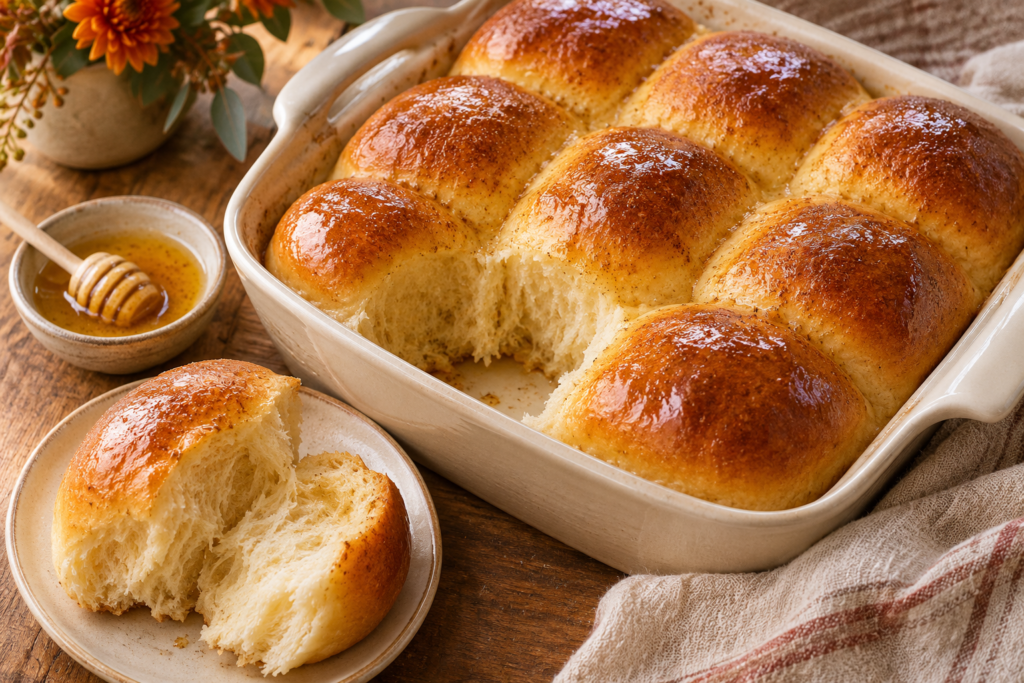
Table of Contents
- 🍽️ A Quick Look at the Recipe
- Why You’ll Love This Recipe
- Key Ingredients
- Useful Tools
- How to Make Brown Butter Honey Dinner Rolls
- Pro Tips and Troubleshooting
- Brown Butter Honey Dinner Rolls Recipe
- Make-Ahead, Storage and Reheating
- What to Serve With These Rolls
- Variations and Substitutions
- Frequently Asked Questions
- More AB Recipes for the Table
- Savory Sides and Sauces
- Something Sweet to Finish
- Save This Recipe
Brown Butter Honey Dinner Rolls bring a little extra flavor to the bread basket: soft centers, golden tops, and that toasted, nutty flavor you get when butter turns brown. Honey sweetens the dough and gives the warm rolls a glossy finish.
These pull-apart rolls fit right beside a holiday roast or a Sunday supper. The key is giving the dough time to rise and replacing the moisture that cooks out of the butter, so the finished rolls stay tender.
🍽️ A Quick Look at the Recipe
- Recipe Name: Brown Butter Honey Dinner Rolls
- ⏱️ Ready In: About 3 hours 25 minutes; allow 3–4 hours depending on rising time. Timing is estimated.
- 👨👩👧👦 Serves: 12, one roll each
- 🥣 Main Ingredients: Flour, butter, honey, milk, yeast
- 📖 Dietary Info: Contains wheat, milk, and egg; not vegan
- 🔥 Flavor Profile: Nutty brown butter, gentle honey sweetness, soft bread
- ⭐ Best For: Thanksgiving, holiday dinners, and Sunday supper
Why You’ll Love This Recipe
- Brown butter brings toasted flavor to both the dough and the finish.
- Baking the rolls close together keeps the sides soft and easy to pull apart.
- The honey butter goes on after baking, keeping the finish glossy without scorching.
- An overnight shaping option helps spread the work across two days.
Key Ingredients
Butter: Unsalted butter lets you control seasoning. Keep the golden milk solids; they carry much of the brown-butter flavor. Cool the butter before restoring the lost water, and stir before dividing it so the browned bits do not all stay at the bottom.
Honey and milk: Honey brings sweetness while milk enriches the dough. The warm milk should feel comfortably warm, never hot; check for 105–110°F before adding the active dry yeast.
Flour, yeast, and egg: All-purpose flour makes tender rolls, yeast provides the lift, and egg adds richness. Spoon flour into the cup and level it rather than packing it down.
Useful Tools
A light-colored saucepan, heatproof liquid measuring cup, parchment-lined metal baking pan, and clean kitchen towel handle the basics. The brush and thermometer below are from AB’s own shop. I earn commissions from qualifying purchases made through the Amazon links in this post. As an Amazon Associate I earn from qualifying purchases.
- High Heat Resistant Silicone Basting Brush spreads the honey butter over the warm rolls.
- SnG Food Thermometer checks the milk before mixing and the center rolls near the end of baking.
- Spring Chef Measuring Cups and Spoons help measure flour and yeast consistently.
- Pyrex Glass Mixing Bowls give the dough room to rise and make it easy to see its expansion.
- Riveira Wooden Utensils include sturdy utensils for bringing the shaggy dough together before kneading.
How to Make Brown Butter Honey Dinner Rolls
- Brown the butter. Use a light-colored pan over medium heat and watch the milk solids. In about 5–8 minutes they should turn golden and smell nutty. Pour the butter into a heatproof measuring cup immediately so the hot pan does not burn it.
- Cool and restore the moisture. Let the butter cool about 20 minutes before adding water to bring it back to its starting volume. Reserve the finishing portion, then combine the remaining butter with the foamy yeast mixture and egg.
- Mix and knead. Work in the flour and salt. Knead until the dough becomes smooth and elastic, about 8–10 minutes with a dough hook or 10–12 minutes by hand. A little tackiness is what you want.
- Let it double. Cover and rise in a warm, draft-free spot for about 60–90 minutes. Dough in a cool kitchen may need longer; visible expansion is more useful than a timer.
- Shape and proof again. Form even balls with taut tops and place seam-side down in the lined pan. Cover for about 30–45 minutes, until very puffy and almost touching.
- Bake and finish. Bake at 350°F for 22–27 minutes, until golden and about 190–195°F in a center roll. Brush with the reserved brown butter mixed with honey, then rest 10 minutes before serving.
Pro Tips and Troubleshooting
Dense rolls: Too much flour or too little rising time can leave you with heavy bread. Keep the dough tacky and let both rises reach the visual cues before moving on.
Butter getting too dark: Remove it from the pan as soon as the solids turn golden brown. Black solids and a bitter smell mean the butter has burned and should be replaced.
Tops dark, centers doughy: Loosely tent with foil and continue baking. Check the center roll rather than judging the whole pan by its edges.
Summarize and Save
Brown Butter Honey Dinner Rolls
Ingredients
Dough and Honey Butter Finish
- ½ cup unsalted butter 1 stick (4 ounces), measured before browning; browned butter will be divided
- water as needed to restore browned butter to ½ cup after cooling
- 1 cup whole milk warmed to 105–110°F
- 2¼ teaspoons active dry yeast 1 standard packet
- ¼ cup honey for the dough
- 1 large egg room temperature
- 4 cups all-purpose flour spooned and leveled, plus up to 2 tablespoons only if needed for a very sticky dough
- 1 teaspoon fine salt
- 2 tablespoons honey for the finish
Instructions
- Brown the butter in a light-colored small saucepan over medium heat for about 5–8 minutes, stirring and scraping the bottom as it foams. When the milk solids are golden brown and smell nutty, immediately pour everything, including the browned bits, into a heatproof liquid measuring cup. Black specks and an acrid smell mean it has burned; start again rather than using bitter butter.
- Cool the butter until lukewarm, about 20 minutes; do not add water while it is hot. Stir in enough room-temperature water to bring the total liquid back to ½ cup, replacing moisture lost during browning. Stir thoroughly to distribute the browned bits, then reserve 2 tablespoons of this mixture in a small covered bowl for the finish. The remaining 6 tablespoons go into the dough.
- Combine the milk at 105–110°F, active dry yeast, and ¼ cup honey in a large mixing bowl. Let stand for 5–10 minutes until noticeably foamy. If there is no activity, check the yeast date and milk temperature and restart with fresh yeast. Whisk in the egg and the 6 tablespoons cooled brown butter mixture.
- Add the 4 cups flour and salt. Mix to form a shaggy dough. Knead with a dough hook on medium-low for about 8–10 minutes, or by hand for 10–12 minutes, until smooth, elastic, and slightly tacky. It should pull away from most of the bowl while sticking a little at the bottom. Add extra flour 1 tablespoon at a time only if it remains a wet paste; use no more than the listed 2 tablespoons before reassessing. Avoid making a dry, stiff dough.
- Form a ball, place in the mixing bowl, and cover. Let rise in a warm, draft-free place until doubled, about 60–90 minutes. Watch the size rather than the clock. While it rises, line a 9-by-13-inch metal baking pan with parchment.
- Gently press the air from the dough and divide into 12 equal pieces. Cup each piece and pull its edges underneath to make a smooth, tight top, pinching the seam closed. Place seam-side down in the pan in 3 rows of 4. Cover and let rise until very puffy, nearly touching, and a gentle fingertip dent slowly springs back, about 30–45 minutes.
- During the final rise, heat the oven to 350°F with a rack in the middle. Uncover and bake for 22–27 minutes, until golden brown and a center roll registers about 190–195°F inside. Loosely tent with foil if the tops brown before the centers finish.
- Warm the reserved 2 tablespoons brown butter mixture just enough to liquefy it, then stir in the remaining 2 tablespoons honey. Brush all of the finish over the warm rolls. Let the rolls stand in the pan for 10 minutes before pulling apart and serving. Makes 12 rolls.
Notes
- Replace the water lost during browning only after the butter cools; restoring the volume helps keep the dough soft.
- Keep the dough slightly tacky. Extra flour added too quickly makes heavier rolls.
- For an overnight option, refrigerate the covered shaped rolls before their second rise for 8–12 hours, then let them become puffy at room temperature before baking.
Nutrition
Nutrition information is automatically calculated, so should only be used as an approximation.

Like This? Leave a comment below!
Make-Ahead, Storage and Reheating
For an overnight start, shape the rolls, cover the pan, and refrigerate before the second rise for 8–12 hours. The next day, let them stand at room temperature until puffy and ready to bake, usually 60–90 minutes but sometimes longer. This replaces the regular second rise and adds to the total time.
Cool baked rolls completely before sealing. Keep airtight at room temperature for up to 2 days for best texture, or freeze for up to 2 months. Thaw wrapped rolls at room temperature, then warm in a foil packet at 300°F for about 10–15 minutes. Discard the whole batch if you see mold. Refrigerate any leftover honey butter and use within 3–4 days.
What to Serve With These Rolls
- Cajun Roasted Turkey Breast brings Cajun seasoning alongside the gentle honey sweetness.
- Garlic Herb Brined and Roasted Chicken gives you a savory roast with juices for the bread.
- Honey Glazed Ham makes a classic holiday pairing; keep the other sides less sweet.
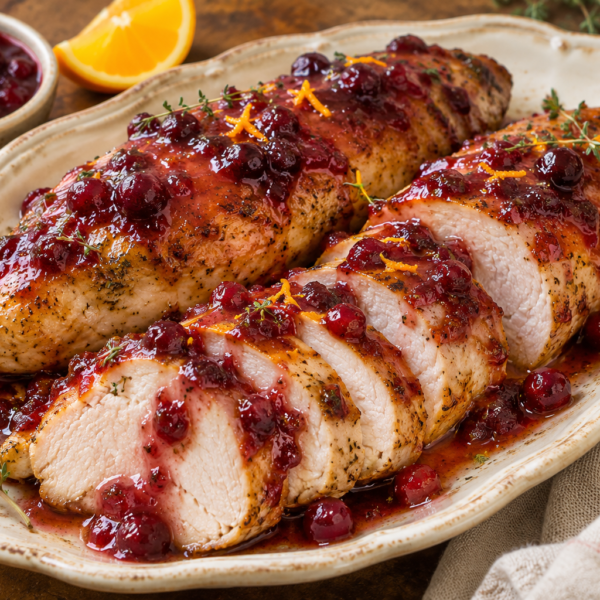
- Cranberry Orange Glazed Turkey Tenderloins adds a tangy fruit glaze that contrasts with the buttery rolls.
Variations and Substitutions
For a milder flavor, use melted butter instead of browning it; there is no lost water to replace. Bread flour can make a chewier roll and may need a small splash of milk if the dough feels stiff. A gluten-free flour blend is not a direct substitute for this yeast dough.
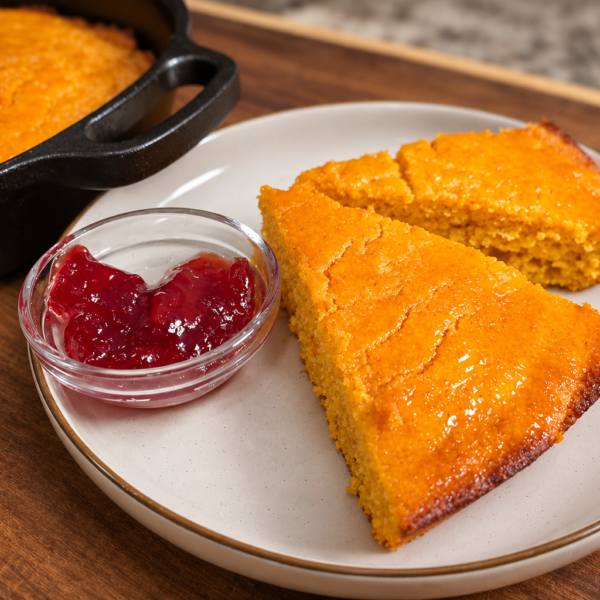
For a different bread basket, follow the complete recipes for Soft and Fluffy Dinner Rolls or Sweet Potato Buttermilk Skillet Cornbread. These are alternate recipes, not ingredient-for-ingredient swaps.
Frequently Asked Questions
Can I mix this without a stand mixer? Yes. Mix with a sturdy spoon, then knead by hand. Use a bench scraper to handle tacky dough rather than repeatedly adding flour.
Can I use instant yeast? Use the same amount and follow its package mixing instructions. It can be mixed with the flour; the separate foaming step is not needed. Rise time may be shorter.
Can I double the recipe? Use two pans and divide the dough evenly. Check each pan for doneness and rotate if your oven browns unevenly; do not double the bake time.
More AB Recipes for the Table
Pick the dishes that fit your menu. These are options for building a meal around the rolls, not a list you need to make all at once.
Savory Sides and Sauces
- Cornbread Dressing with Roasted Chicken and Andouille Sausage for Your Holiday Feast for a hearty dressing alongside a larger roast.
- Creole Cornbread Dressing: A Southern Classic with a Kick! when you want a spicier dressing option.
- Southern Baked Mac and Cheese for a rich, cheesy holiday side.
- Southern Candied Yams Recipe: A Sweet Side Dish You’ll Love for a traditional sweet side.
- The Secret to Perfect Steakhouse Mashed Potatoes for a creamy side that catches gravy.
- Creamy Scalloped Potatoes Recipe as a potato alternative for a larger meal.
- Garlic Butter Creole Green Beans for savory greens beside the soft bread.
- Green Beans and Bacon for a bacon-seasoned vegetable option.
- Honey Balsamic Brussels Sprouts for a tangy vegetable contrast.
- Perfecting Thanksgiving: The Ultimate Traditional Cranberry Sauce Recipe to add a bright condiment to roast poultry.
- Make Ahead Turkey Gravy for dipping rolls and spooning over turkey.
Something Sweet to Finish
- Sweet Potato Pie (Three Topping Options) for a classic holiday dessert.
- Holiday Peach Cobbler Two Ways for a fruit dessert to finish the meal.
- Million Dollar Pound Cake With Vanilla Butter Glaze for a sliceable make-ahead dessert.
Save This Recipe
Save this recipe for the next time your dinner needs a pan of warm, pull-apart rolls.