This post may contain affiliate links. Please read our disclosure policy.
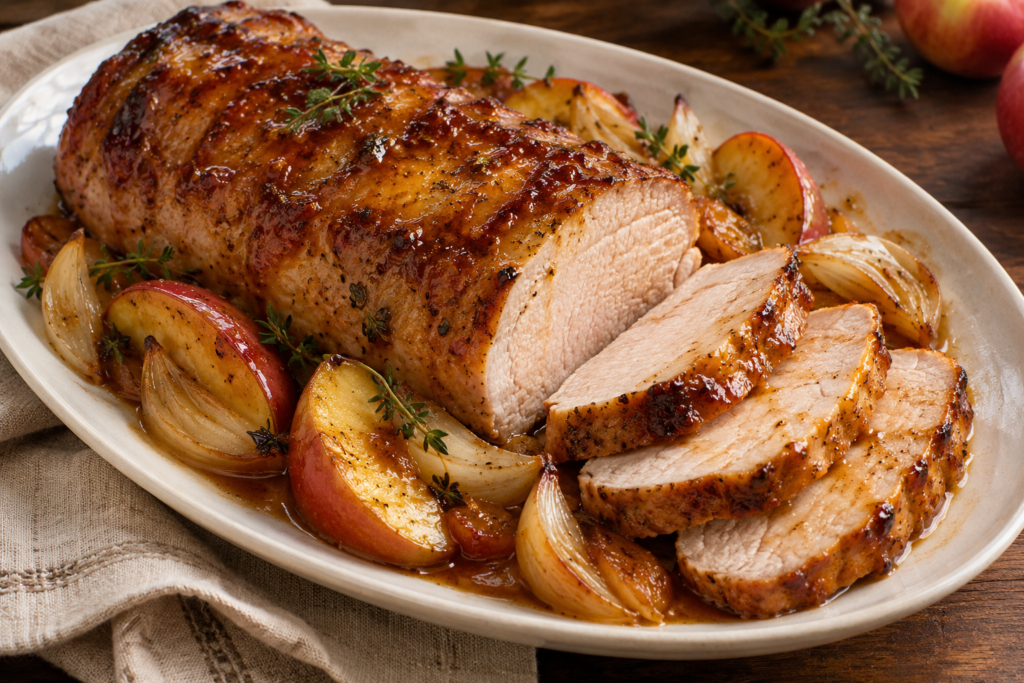
Table of Contents
- 🍽️ A Quick Look at the Recipe
- Why You’ll Love This Recipe
- Key Ingredients
- Useful Tools
- How to Make Apple Cider Glazed Pork Loin
- Pro Tips and Troubleshooting
- Apple Cider Glazed Pork Loin Recipe
- Apple Cider Glazed Pork Loin Recipe
- Make-Ahead, Storage and Reheating
- What to Serve With Apple Cider Pork Loin
- Variations and Substitutions
- Frequently Asked Questions
- More AB Recipes for Your Gathering
- Save This Recipe
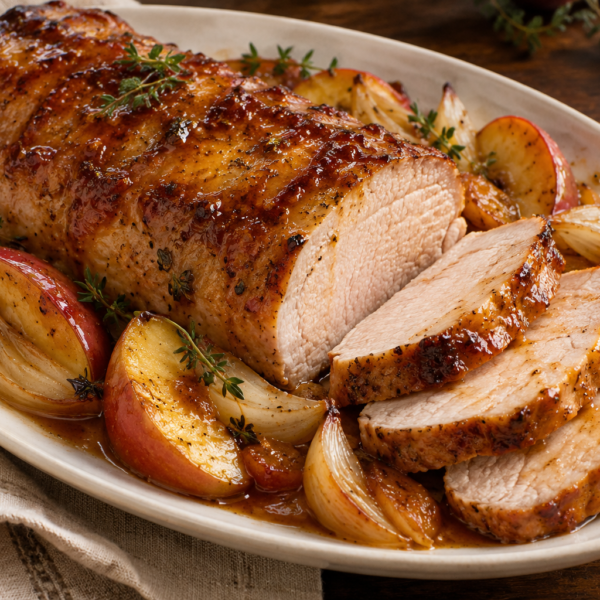
Apple Cider Glazed Pork Loin brings a browned roast, tender apple wedges, and a glossy cider-Dijon sauce to the holiday table. Garlic, thyme, and a little smoked paprika keep the fruit glaze balanced with savory flavor.
Use a boneless pork loin for this recipe. A quick sear starts the color, a moderate oven finishes the center, and thin coats of glaze go on near the end. A thermometer and a proper rest matter more than a fixed roasting time.
🍽️ A Quick Look at the Recipe
Recipe Name: Apple Cider Glazed Pork Loin
⏱️ Ready In: About 2 hours, including a 15-minute rest; timing is estimated.
👨👩👧👦 Serves: 8 servings.
🥣 Main Ingredients: Pork loin, apple cider, apples, Dijon, and thyme.
📖 Dietary Info: Contains dairy; mustard ingredients vary by brand.
🔥 Flavor Profile: Sweet apple, tangy Dijon, savory garlic, and smoky paprika.
⭐ Best For: Thanksgiving, a holiday roast, or Sunday dinner.
Why You’ll Love This Recipe
- The cider is reduced before glazing, so the apple flavor is concentrated.
- The apples and onions roast alongside the meat.
- Late glazing helps avoid a scorched sugar coating.
- The roast slices into manageable portions for a shared meal.
Key Ingredients
Pork loin: This is a broad boneless roast, not a thin pork tenderloin. Choose an evenly shaped piece and remove only a very thick exterior fat layer.
Apple cider: Use nonalcoholic drinking cider. It supplies the fruit flavor in the glaze; cider vinegar supplies acidity and is a different ingredient.
Firm apples and onion: Thick wedges hold up better than small pieces. Choose apples that stay together when cooked, and turn the wedges so they pick up the pan juices.
Dijon, garlic, butter, and thyme: These bring tang, body, and savory flavor to the reduced cider. Brown sugar helps the glaze cling.
Useful Tools
These tools and the optional seasoning are available from my shop.
- SnG Food Thermometer checks the thickest center of the roast, helping you stop cooking once it reaches 145°F.
- High Heat Resistant Silicone Basting Brush spreads thin coats without flooding the roast.
- AB’s Premium Garlic Press breaks down the fresh garlic for the glaze.
- Chef Knife handles the apple and onion prep and slices the rested pork.
- AB’s SPG (Salt, Pepper, and Garlic) is an optional alternative to the separate salt and pepper. Keep the paprika, thyme, and fresh garlic; reduce added salt according to the blend’s label. This changes the nutrition estimate.
How to Make Apple Cider Glazed Pork Loin
- Season and brown. Pat the roast dry, season all over, and sear its broad sides in a hot skillet. Transfer it fat-side up to a shallow roasting pan.
- Reduce the cider glaze. Simmer the cider and brown sugar until noticeably reduced, then add the Dijon, vinegar, garlic, and butter. Reserve a clean serving portion before the basting brush touches anything.
- Roast with apples and onions. Cook at 350°F, adding the wedges after the roast has a head start. Add a small splash of water if the pan juices begin to scorch.
- Glaze, check, and rest. Brush on thin coats late in cooking. Remove only after the thickest center reaches at least 145°F. Rest for 15 minutes, then slice across the grain.
Pro Tips and Troubleshooting
Do not cook by color alone. Safely cooked pork can retain some pink. Check the center in more than one spot.
Glaze is thin: Reduce the cider before adding the butter, and remember it will thicken somewhat as it cools. Keep it spoon-coating rather than syrupy.
Apples are ready first: Remove tender wedges while the roast finishes. If the pork finishes first, let it rest while the vegetables continue cooking.
Glaze is darkening too quickly: Use a loose foil tent and keep the final coats thin. Do not add the sugar glaze at the beginning of a long roast.
Apple Cider Glazed Pork Loin Recipe
Summarize and Save
Apple Cider Glazed Pork Loin
Equipment
- Large Skillet
- Shallow roasting pan
- Small saucepan
- Instant-read thermometer
- Basting brush
Ingredients
Pork and Roasted Apples
- 3 pounds boneless pork loin roast not pork tenderloin; fully thawed; trim very thick exterior fat
- 1 tablespoon olive oil
- 1 teaspoon fine salt
- ½ teaspoon black pepper
- 1 teaspoon smoked paprika
- 1 tablespoon fresh thyme leaves chopped
- 2 large firm apples cored and cut into thick wedges; about 14 ounces prepared
- 1 large yellow onion cut into wedges; about 7 ounces prepared
Apple Cider Glaze
- 1 cup apple cider nonalcoholic drinking cider, not apple cider vinegar
- 2 tablespoons packed light brown sugar
- 1 tablespoon Dijon mustard
- 1 tablespoon apple cider vinegar
- 2 tablespoons unsalted butter
- 3 cloves garlic finely minced or pressed
Instructions
- Heat the oven to 350°F. Pat the thawed pork loin dry. Mix the salt, pepper, smoked paprika, and chopped thyme, then season the roast all over. This recipe uses pork loin, not the smaller pork tenderloin.
- Heat the olive oil in a large skillet over medium-high heat. Brown the pork on its broad sides for about 6–8 minutes total, using tongs to turn it. Transfer fat-side up to a shallow roasting pan. Begin roasting; plan on approximately 60–75 minutes in the oven, checking early because roast thickness changes the timing.
- While the pork roasts, combine the cider and brown sugar in a saucepan. Simmer over medium heat for about 10–15 minutes, until reduced to roughly half its original volume. Stir in the Dijon, vinegar, butter, and garlic; simmer 2–3 minutes more, stirring, until glossy and lightly spoon-coating. It will thicken further as it cools.
- Before any glaze touches the pork or the basting brush, transfer half into a clean covered bowl for serving. Keep that portion separate. Use the remaining half only for basting.
- After 25 minutes of roasting, add the apple and onion wedges around the pork, tossing them in the pan juices. If the pan is dry or the juices are beginning to scorch, add a small splash of water. Turn the wedges once during the remaining cooking time.
- Begin checking the pork after 45 minutes of oven time. When the center is about 130–135°F, brush on a thin coat of basting glaze and continue roasting, glazing once more after about 8 minutes if needed. Check the thickest center in more than one spot, away from the pan: the roast must reach at least 145°F before removal. Loosely tent dark areas with foil if the glaze colors too fast; roast longer if necessary.
- Transfer the pork to a clean board and rest for 15 minutes, which exceeds the minimum 3-minute safety rest. Leave the apples and onions in the oven if they need more time to become tender. Discard unused basting glaze. Warm the untouched serving glaze, slice the roast across the grain, and serve with the apples, onions, and sauce.
Notes
- Use a thermometer rather than a minutes-per-pound rule; a narrow roast can finish sooner than a thick one of the same weight.
- Use drinking apple cider in the glaze. Apple cider vinegar is a separate ingredient and is not a direct replacement for the cider.
- Keep the serving glaze separate before basting. Thin coats near the end prevent the sugars from scorching.
Nutrition
Nutrition information is automatically calculated, so should only be used as an approximation.

Like This? Leave a comment below!
Make-Ahead, Storage and Reheating
Make ahead: Make the glaze up to 2 days ahead and refrigerate in a covered container. Rewarm gently and divide it into basting and serving portions before use. Raw pork roasts generally keep 3–5 days refrigerated at 40°F or below; follow any shorter package date.
Leftovers: Refrigerate sliced pork, apples, and onions in shallow containers within 2 hours, or 1 hour above 90°F. Keep at 40°F or below and use within 3–4 days.
Freeze: Freeze cooked pork airtight with some untouched serving glaze for up to 2–3 months for best quality. Apples and onions may soften further after thawing.
Reheat: Cover slices with a splash of water or broth and warm gently at 325°F until the meat reaches 165°F. Thaw frozen portions in the refrigerator first.
What to Serve With Apple Cider Pork Loin
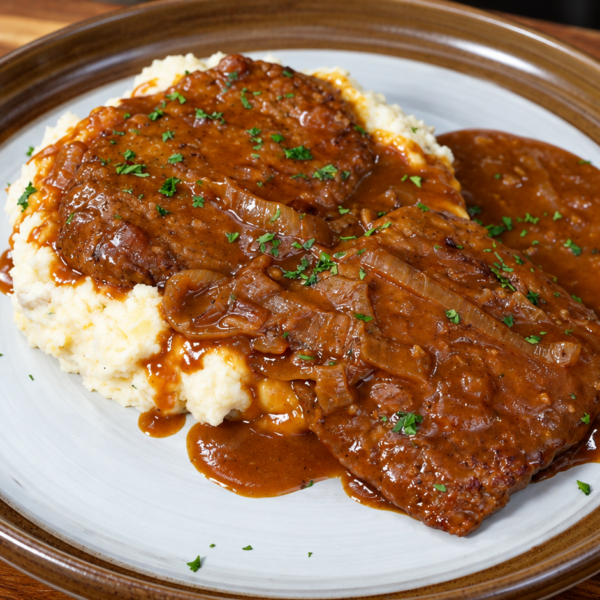
- Steakhouse Mashed Potatoes — A creamy base for a little extra cider glaze.
- Garlic Butter Creole Green Beans — A savory green vegetable to balance the fruit.
- Brown Butter Honey Dinner Rolls — Soft bread to round out the plate.
- Creamed Corn with Smoked Gouda & Bacon — A smoky, richer side; pair it with a simpler vegetable.
Variations and Substitutions
No cider: Unsweetened apple juice can replace the drinking cider. Keep the separate cider vinegar and Dijon for balance; sweetness will vary.
Less sweet: Reduce the brown sugar to taste after sampling your cider. Do not replace the cider with straight vinegar.
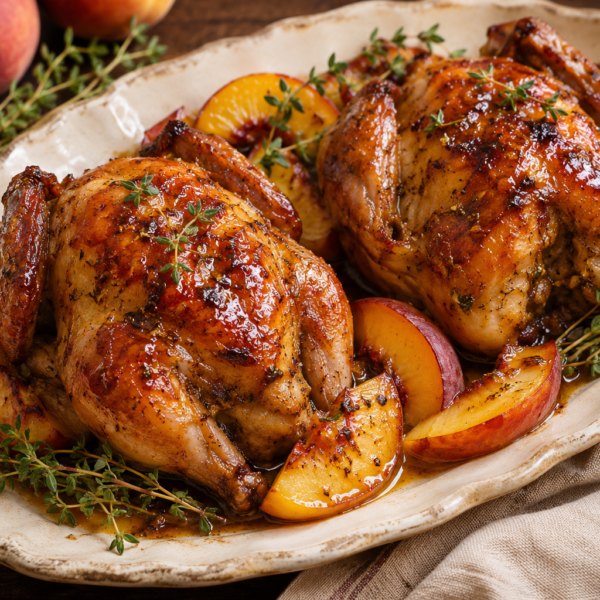
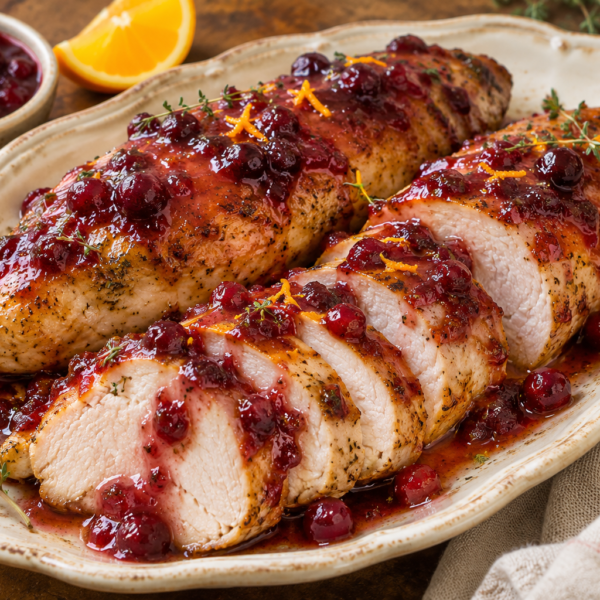
Other holiday roasts: Follow the full methods for Peach Bourbon Glazed Cornish Hens or Cranberry Orange Glazed Turkey Tenderloins when you want another fruit-glazed main. Their sizes and safe cooking temperatures differ from pork.
Prefer a savory poultry roast? Try Garlic Herb Brined and Roasted Chicken or Cajun Roasted Turkey Breast as separate recipes.
Frequently Asked Questions
Can I use pork tenderloin?
It is a different, smaller cut and will cook much faster. This recipe’s oven timing is for pork loin; use a recipe written for tenderloin instead of applying the same roasting schedule.
Does pork need to reach 165°F?
An intact pork roast needs at least 145°F followed by a minimum 3-minute rest. This recipe uses a longer 15-minute rest. Leftover pork reheats to 165°F.
Can I pour the pan drippings into the reserved sauce?
Keep the serving glaze separate. The pan drippings can be salty or fatty and may change the sauce; serve them separately only after the roast and its juices are fully cooked.
More AB Recipes for Your Gathering
More Holiday Sides
- Creamy Southern Baked Three-Cheese Mac and Cheese — A rich baked side for a larger spread.
- Creole Cornbread Dressing — Bake this savory dressing separately.
- Southern Candied Yams Recipe: A Sweet Side Dish You’ll Love — A traditional sweet side; choose greens alongside it.
- Creamy Scalloped Potatoes Recipe — An alternative to mashed potatoes.
- Million Dollar Deviled Eggs — A chilled starter while the roast cooks.
- Southern Style Collard Greens and Potatoes Stew — A hearty greens and potato option.
- Sweet Potato Buttermilk Skillet Cornbread — A skillet bread option instead of rolls.
Desserts to Finish
- Southern Caramel Cake — A classic layer cake to share.
- Apple Butter Caramel Pound Cake — A dessert with warm apple flavor.
- Southern Pumpkin Pie with a Flaky Butter Crust — A custard pie for a traditional Thanksgiving finish.
- Apple Cider Donut Bundt Cake — Another way to use drinking cider on the dessert table.
Another Main for a Larger Gathering
- Hot Honey Peach Ham — A separate sweet-and-spicy ham option for a bigger spread.
Save This Recipe
Save this recipe for your holiday menu, then leave a comment with what you served alongside it.