This post may contain affiliate links. Please read our disclosure policy.
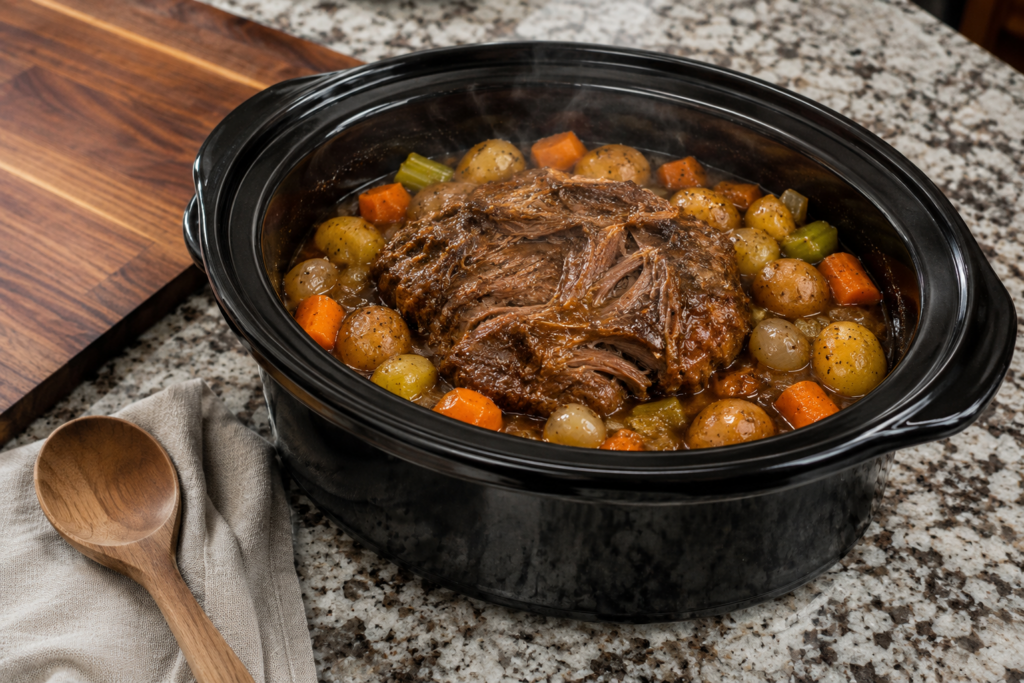
Table of Contents
- Crockpot vs. Slow Cooker: Is There a Difference?
- Why Crockpot Cooking Works So Well
- The Biggest Crockpot Mistake: Not Building Flavor First
- Do Not Add Too Much Liquid
- Low vs. High: Which Setting Should You Use?
- Best Meats for the Crockpot
- Layer Your Ingredients the Right Way
- When to Add Dairy
- Do Not Keep Lifting the Lid
- How to Keep Crockpot Meals from Tasting Bland
- Easy Crockpot Meal Ideas
- Crockpot Safety Tips
- What Size Crockpot Should You Buy?
- Final Thoughts
If you ask me, a Crockpot is one of those kitchen tools that deserves more respect than it gets. A lot of folks look at it like it is just for dumping in some meat, adding a can of soup, and walking away. But when you know how to use it right, that slow cooker can give you tender meat, deep flavor, easy dinners, and meals that taste like you spent all day standing over the stove.
And the best part? It does most of the work for you.
Whether you are cooking for the family, meal prepping for the week, getting ready for game day, or just trying to make dinner easier, a Crockpot can be your best friend in the kitchen. But there are a few tricks to getting real flavor out of it. So today, we are breaking down how to use a Crockpot the right way.
Crockpot vs. Slow Cooker: Is There a Difference?
Most people use the words Crockpot and slow cooker the same way, and that is perfectly fine in everyday conversation.
Technically, Crock-Pot is a brand name, while slow cooker is the general name for the appliance. But either way, we are talking about the same style of cooking: low, steady heat over a long period of time.
That slow cooking process is what makes tough cuts of meat tender, helps flavors blend together, and gives you that comfort-food taste without a whole lot of hands-on work.
Why Crockpot Cooking Works So Well
A Crockpot is all about time and gentle heat. Instead of blasting your food with high heat, it cooks slowly and evenly. That makes it perfect for:
- Chuck roast
- Pork shoulder
- Chicken thighs
- Short ribs
- Beans
- Chili
- Soups and stews
- Greens
- Meatballs
- Dips and appetizers
This is the kind of cooking that turns simple ingredients into something rich, tender, and full of flavor.
The Biggest Crockpot Mistake: Not Building Flavor First
Here is where a lot of people go wrong: they throw everything into the slow cooker raw and expect it to taste amazing.
Now listen, you can do that. The Crockpot will cook it. But if you want that deeper flavor, you need to build a little foundation first.
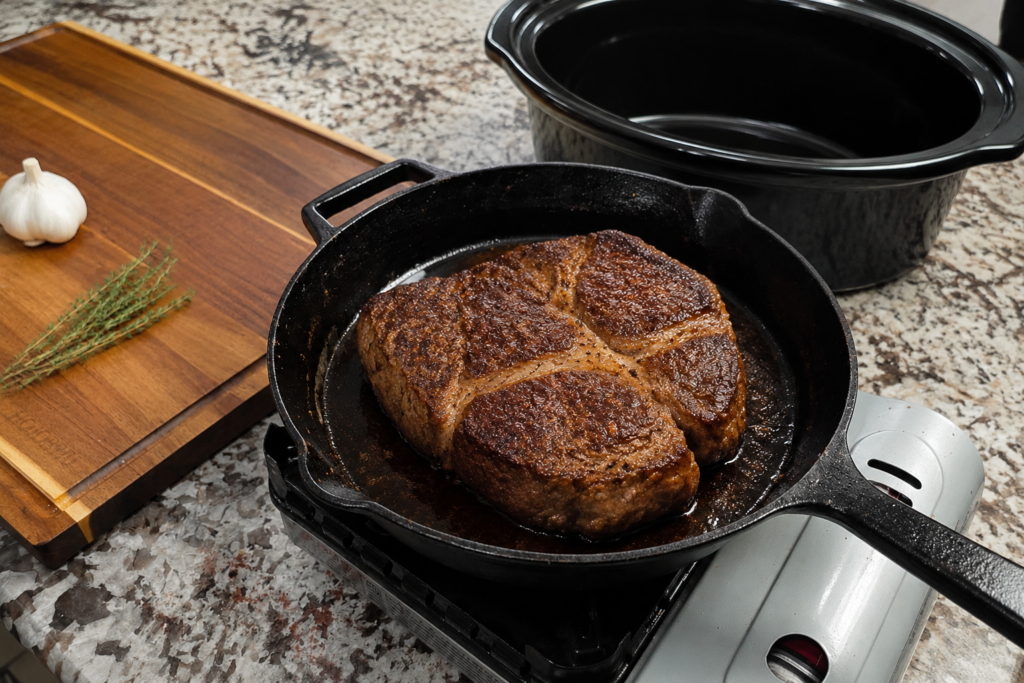
Brown Your Meat When You Can
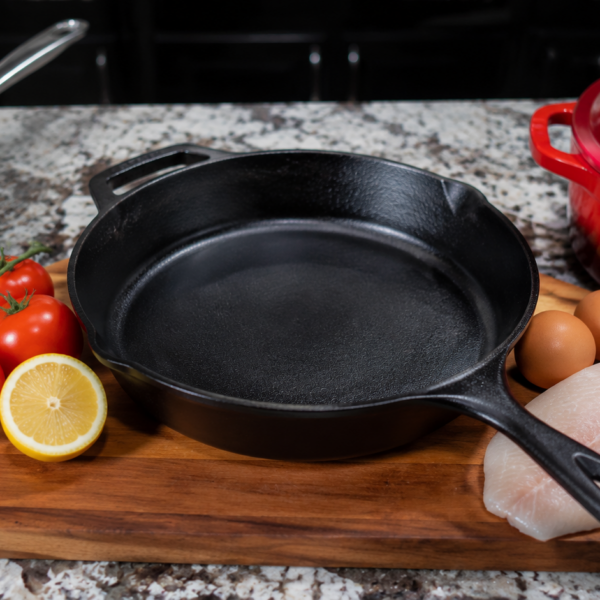
If you are making pot roast, pulled pork, beef tips, short ribs, or any recipe with a larger cut of meat, take a few extra minutes to brown it in a hot skillet before it goes into the Crockpot.
That browning adds color, texture, and flavor. It gives the finished dish that rich taste you just cannot get from steaming meat in liquid all day.
You do not have to do this every time, but when flavor matters, browning is worth it.
Do Not Add Too Much Liquid
This is another big one. A Crockpot does not work like a regular pot on the stove. When you cook on the stove, liquid evaporates. In a slow cooker, most of that moisture stays trapped inside.
That means if you add too much broth, water, or sauce at the beginning, your meal can turn out watery.
A good rule of thumb: start with less liquid than you think you need.
For roasts, chicken, and pork, you usually only need enough liquid to cover the bottom or come partway up the sides. The meat will release juices as it cooks.
Low vs. High: Which Setting Should You Use?
Most Crockpots have two main cooking options: Low and High.
Both will cook your food, but they are not always interchangeable.
Use Low When You Want the Best Texture
For tougher cuts of meat like chuck roast, pork shoulder, and ribs, low and slow is usually the best way to go. Cooking on low gives the connective tissue time to break down, which gives you tender, juicy results.
Use High When You Are Short on Time
The high setting works when you need to speed things up, especially for soups, dips, smaller cuts of chicken, or recipes that do not need all-day cooking.
But if you have the time, low usually gives you better flavor and texture.
Best Meats for the Crockpot
The slow cooker shines with meats that need time to get tender. You do not always need the most expensive cut. In fact, some of the cheaper cuts work best.
Great Crockpot meats include:
- Chuck roast
- Pork shoulder or pork butt
- Chicken thighs
- Short ribs
- Beef stew meat
- Country-style ribs
- Turkey legs or wings
- Smoked sausage
Lean meats like chicken breast can work too, but you have to be careful not to overcook them. They can dry out faster than thighs, roasts, or shoulder cuts.
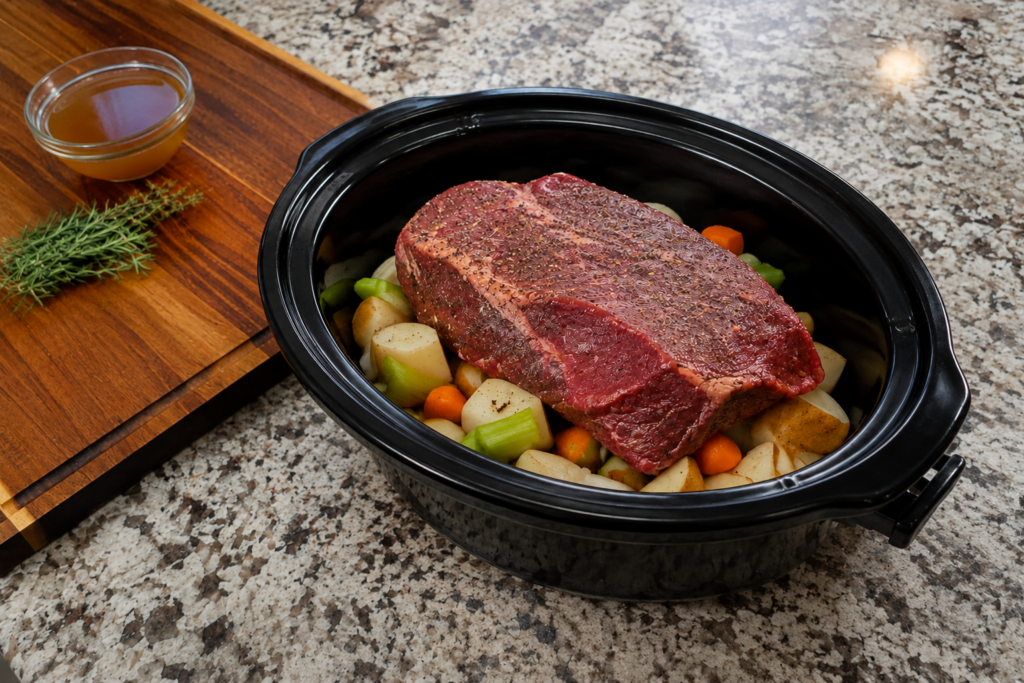
Layer Your Ingredients the Right Way
How you load the Crockpot matters.
Dense vegetables like potatoes, carrots, onions, and celery should usually go near the bottom because they take longer to cook. Meat can sit on top or nestle into the vegetables depending on the recipe.
Delicate ingredients like fresh herbs, dairy, cooked pasta, seafood, or tender vegetables should usually go in near the end so they do not overcook or break down too much.
When to Add Dairy
If your recipe uses milk, cream, sour cream, cream cheese, or shredded cheese, be careful about adding it too early.
Dairy can separate or get grainy when it cooks too long. For creamy soups, dips, and sauces, add dairy near the end of cooking and give it time to melt and blend in.
That little step can make the difference between smooth and creamy versus broken and oily.
Do Not Keep Lifting the Lid
I know it is tempting. You want to check it, stir it, smell it, and see what is going on.
But every time you lift the lid, you let heat escape. That can slow down the cooking process and add extra time.
Unless the recipe tells you to stir or add something, keep the lid on and let the Crockpot do its job.
How to Keep Crockpot Meals from Tasting Bland
If your slow cooker meals come out flat, it usually comes down to seasoning and balance.
Here are a few ways to fix that:
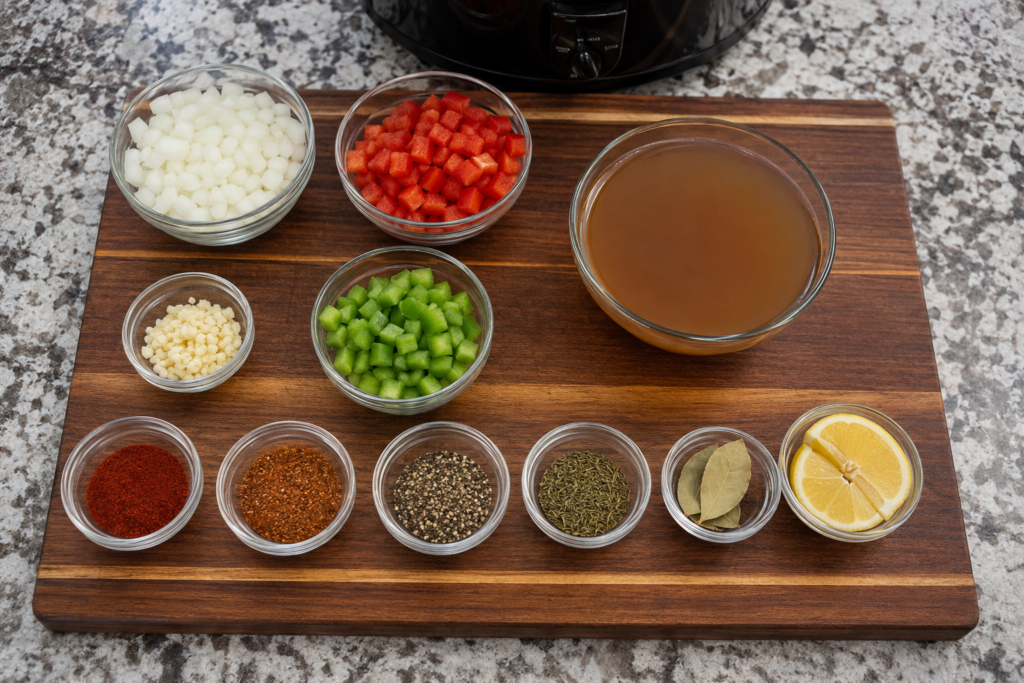
- Season the meat before cooking
- Brown the meat first when possible
- Use broth instead of plain water
- Add onions, garlic, peppers, or aromatics
- Use smoked paprika, Cajun seasoning, BBQ rub, or your favorite spice blend
- Finish with acid like vinegar, lemon juice, or hot sauce
- Taste and adjust seasoning at the end
That last one is important. Slow cooking can mellow out flavors, so always taste before serving.
Easy Crockpot Meal Ideas
Once you understand the basics, you can make all kinds of meals in a Crockpot. Here are a few ideas that fit right into the Smokin’ and Grillin’ style of cooking:
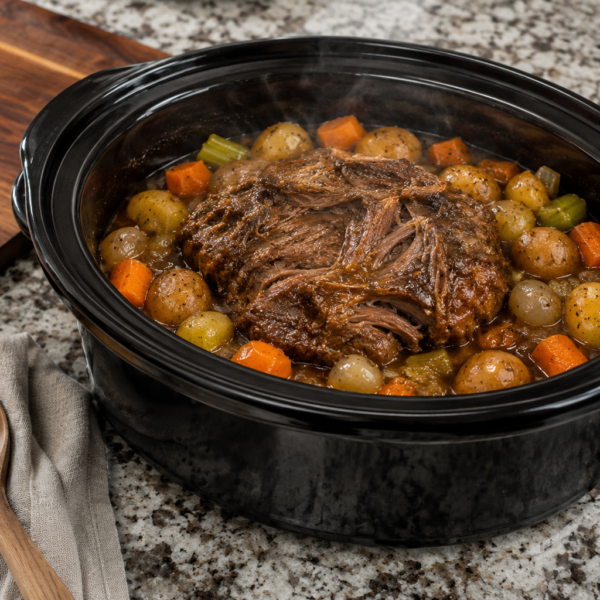
1. Crockpot Pot Roast
Chuck roast, carrots, potatoes, onions, garlic, beef broth, and seasoning. Cook it low and slow until the meat falls apart.
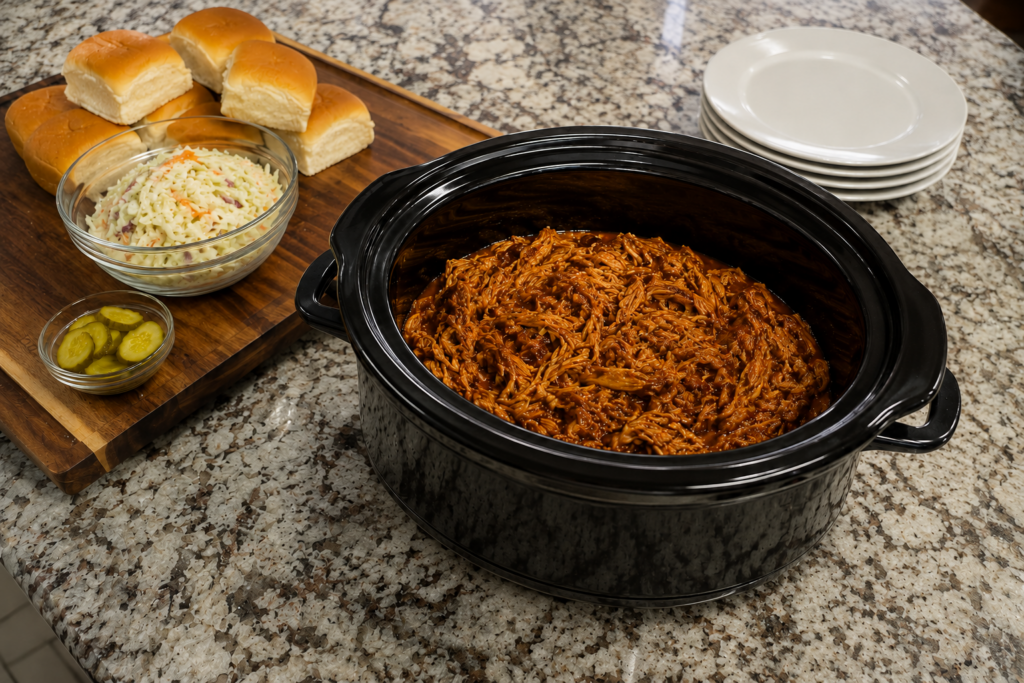
2. Slow Cooker Pulled Chicken
Chicken thighs, BBQ sauce, onions, garlic, and your favorite seasoning. Shred it up for sandwiches, sliders, tacos, or loaded baked potatoes.
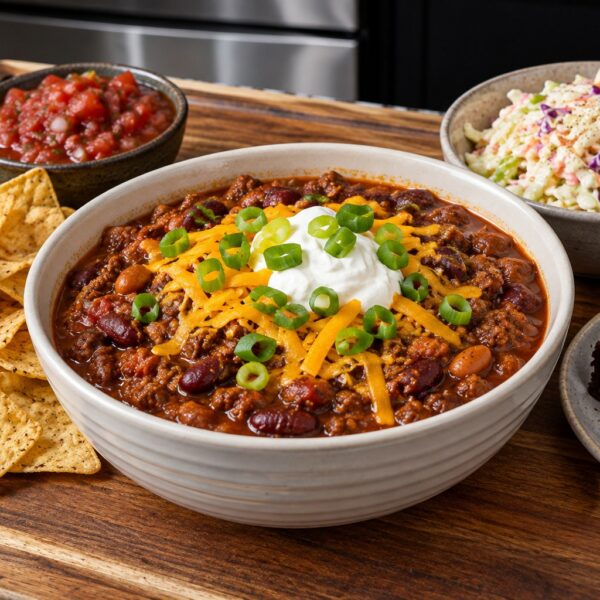
3. Crockpot Chili
Ground beef or smoked sausage, beans, tomatoes, onions, peppers, chili seasoning, and a little heat. Perfect for game day.
4. Slow Cooker Greens
Collard greens or mustard greens cooked low with smoked turkey, onions, garlic, and seasoning until tender.
5. Crockpot Queso or Party Dip
Cheese, sausage or ground beef, peppers, tomatoes, and seasoning. Keep it warm for the whole party.
6. Crockpot Beans
Pinto beans, red beans, navy beans, or black-eyed peas cooked with smoked meat and seasoning. Simple, budget-friendly, and full of flavor.
Crockpot Safety Tips
A Crockpot is easy to use, but food safety still matters.
Keep these tips in mind:
- Thaw frozen meat before adding it to the slow cooker
- Do not overfill the Crockpot
- Keep the lid on during cooking
- Make sure meat reaches a safe internal temperature
- Refrigerate leftovers in shallow containers
- Reheat leftovers fully before serving
A slow cooker is convenient, but you still want to treat it like real cooking.
What Size Crockpot Should You Buy?
For most families, a 6-quart Crockpot is the sweet spot. It is big enough for roasts, soups, chili, pulled meats, and meal prep without being too massive.
A smaller 3- or 4-quart slow cooker is good for dips, side dishes, smaller households, or keeping food warm. Larger 7- or 8-quart models are great if you cook for a crowd, host parties, or like making big batches.
If you are only going to have one, I would start with a 6-quart model.
Final Thoughts
A Crockpot is not just a shortcut. It is a tool. And like any good kitchen tool, the results come down to how you use it.
Build flavor first, season properly, do not drown your food in liquid, and give it time to work. When you do that, you can turn simple ingredients into big, comforting meals your family will keep asking for.
So if your Crockpot has been sitting in the cabinet, go ahead and pull it out. Dinner just got a whole lot easier.
And remember — easy cooking does not have to mean boring cooking.
—