This post may contain affiliate links. Please read our disclosure policy.
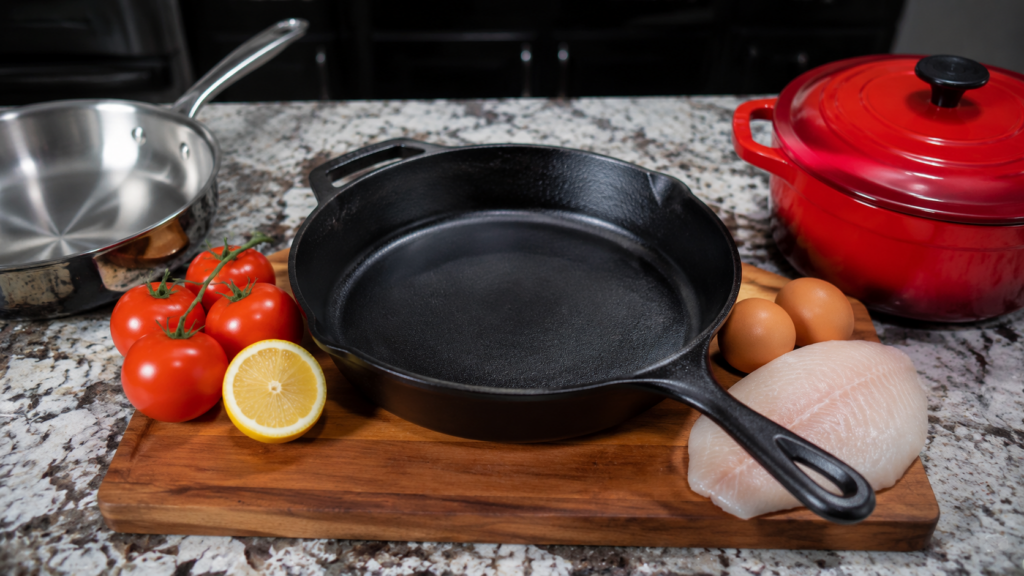
Table of Contents
- 🍽️ A Quick Look at the Guide
- Is Cast Iron Bad for Certain Foods?
- Long-Simmered Tomato Sauces
- Wine, Vinegar and Citrus-Heavy Sauces
- Delicate Fish
- Eggs in a New or Poorly Seasoned Skillet
- Sticky, Sugary Sauces Over High Heat
- Cream and Cheese Sauces That Need Precise Heat Control
- Long Acidic Braises
- Do Not Store Food in Cast Iron
- What Cast Iron Is Best For
- What Pan Should You Use Instead?
- Why You’ll Love This Guide
- Pro Tips
- Frequently Asked Questions
- Save This Guide
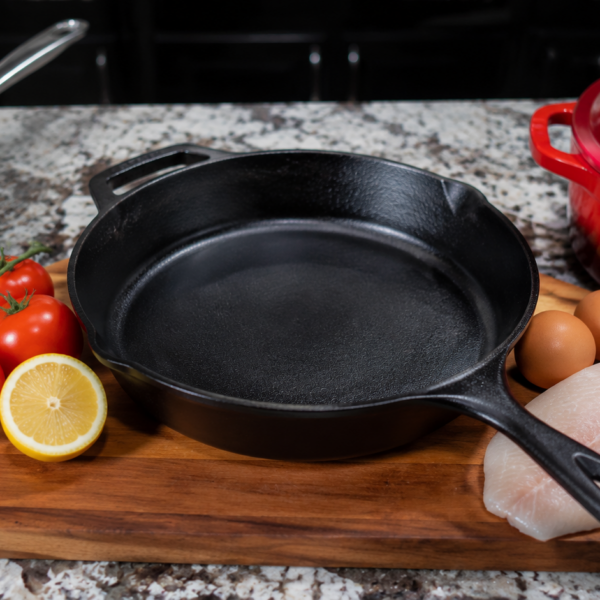
Cast iron is one of the hardest-working tools in the kitchen. It holds heat, creates a deep sear, moves from the stovetop to the oven, and can last for generations. But that does not mean it is the right pan for every cooking job.
Certain acidic, delicate, sticky, and temperature-sensitive foods can damage weak seasoning, develop a metallic flavor, stick to the surface, or burn before you have time to adjust the heat. The goal is not to be afraid of cast iron. It is to understand when cast iron works best and when stainless steel, nonstick, or enameled cookware will give you a better result.
🍽️ A Quick Look at the Guide
Guide Name: What Not to Cook in Cast Iron
⏱️ Read Time: About 9 minutes
👨👩👧👦 Best For: Home cooks learning which pan to use
🥣 Main Topics: Acidic foods, delicate ingredients, sticking, seasoning, and cookware alternatives
📖 Skill Level: Beginner-friendly
🔥 Bottom Line: Cast iron is excellent for steady heat and browning, but it is not ideal for every ingredient.
⭐ Best Use: Searing, frying, roasting, baking, and foods that benefit from strong heat retention
Is Cast Iron Bad for Certain Foods?
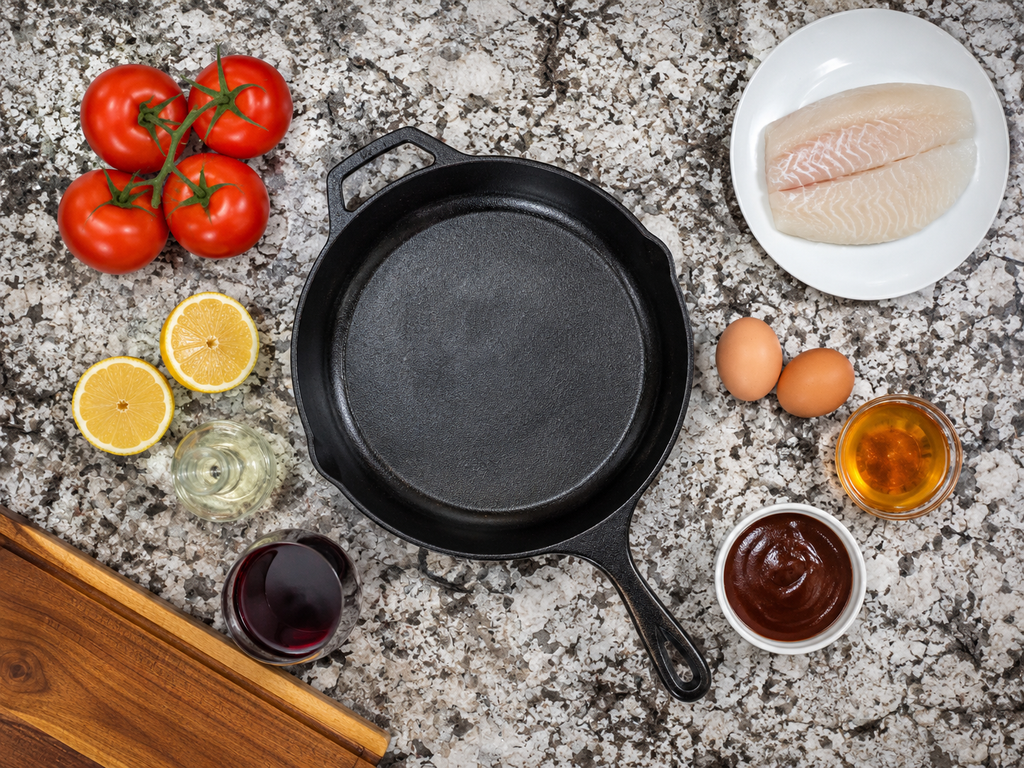
Cast iron is not a bad pan. It simply has characteristics that make it better for some foods than others.
Bare cast iron is reactive metal protected by layers of polymerized oil called seasoning. That seasoning creates a smoother cooking surface and helps prevent rust. When the seasoning is strong, the skillet can handle a wide range of foods.
Problems usually happen when:
- The skillet is new or poorly seasoned.
- Acidic ingredients simmer for an extended period.
- Delicate food is placed in the pan before it is properly heated.
- Sugary sauces are exposed to too much retained heat.
- Food is stored in the skillet after cooking.
- The cook expects cast iron to respond to temperature changes as quickly as stainless steel.
If your skillet needs work before you start cooking, follow my guide on how to season a cast iron skillet.
Long-Simmered Tomato Sauces
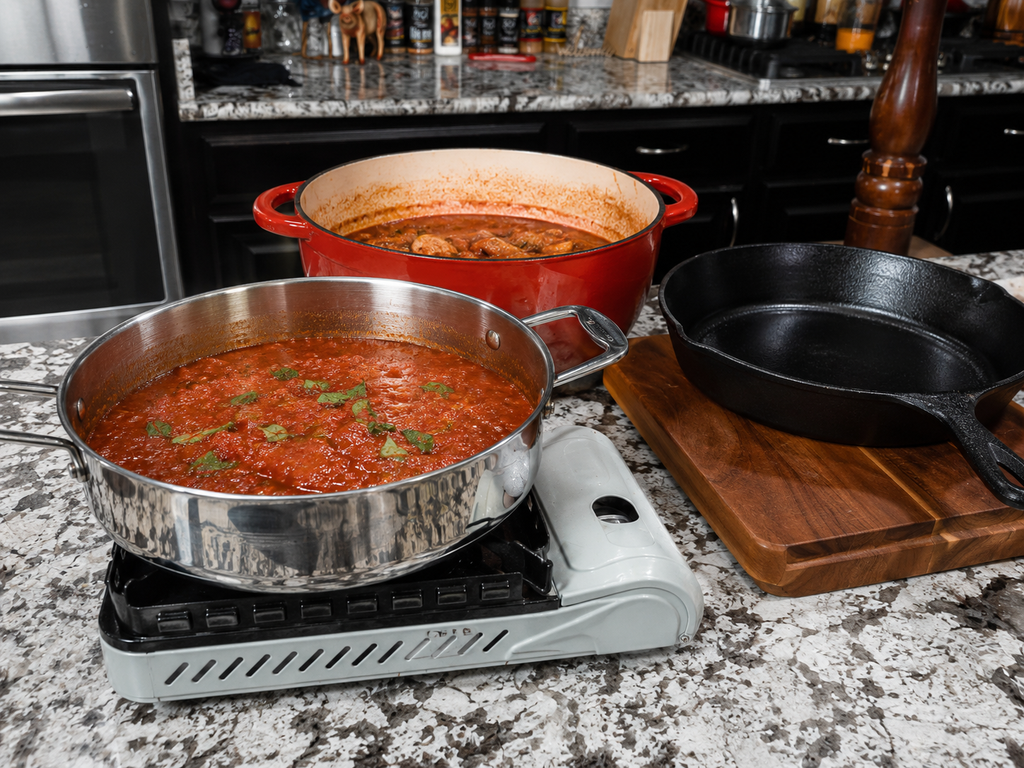
Tomatoes are one of the most discussed foods when it comes to cast iron. A few tomatoes added to a skillet meal are not likely to destroy a well-seasoned pan. The bigger concern is simmering tomato sauce, chili, or another tomato-heavy dish for an extended period.
Tomatoes contain acid that can gradually weaken the seasoning. The longer they simmer, the greater the chance that the sauce will develop a slightly metallic taste or leave the surface looking dull.
This is especially important with:
- Marinara sauce
- Tomato-heavy chili
- Shakshuka
- Braised meat with a tomato base
- Tomato soup
- Long-simmered pasta sauces
What to use instead: Choose stainless steel, an enameled Dutch oven, or an enameled cast-iron pot. These surfaces handle acidic ingredients without relying on a layer of seasoning.
A brief cook with tomatoes in well-seasoned cast iron is generally manageable. It is the combination of high acidity and long cooking time that can cause trouble.
Wine, Vinegar and Citrus-Heavy Sauces
Wine, vinegar, lemon juice, lime juice, and other acidic ingredients can present the same issue as tomatoes.
Using a small splash to deglaze a well-seasoned skillet is different from reducing several cups of wine or vinegar over an extended period. A short deglaze may be fine, but long reductions are better handled by a nonreactive pan.
Be especially careful with:
- Wine reductions
- Vinegar-based braises
- Lemon or lime pan sauces
- Pickling liquids
- Sweet-and-sour sauces
- Vinegar-heavy barbecue sauces
What to use instead: Stainless steel is one of the best choices for acidic pan sauces. It creates flavorful browned bits, handles quick temperature changes, and does not have a seasoning layer that can be weakened by acid.
If you are learning how to control stainless steel, start with my guide on how to cook with stainless steel pans without food sticking.
Delicate Fish
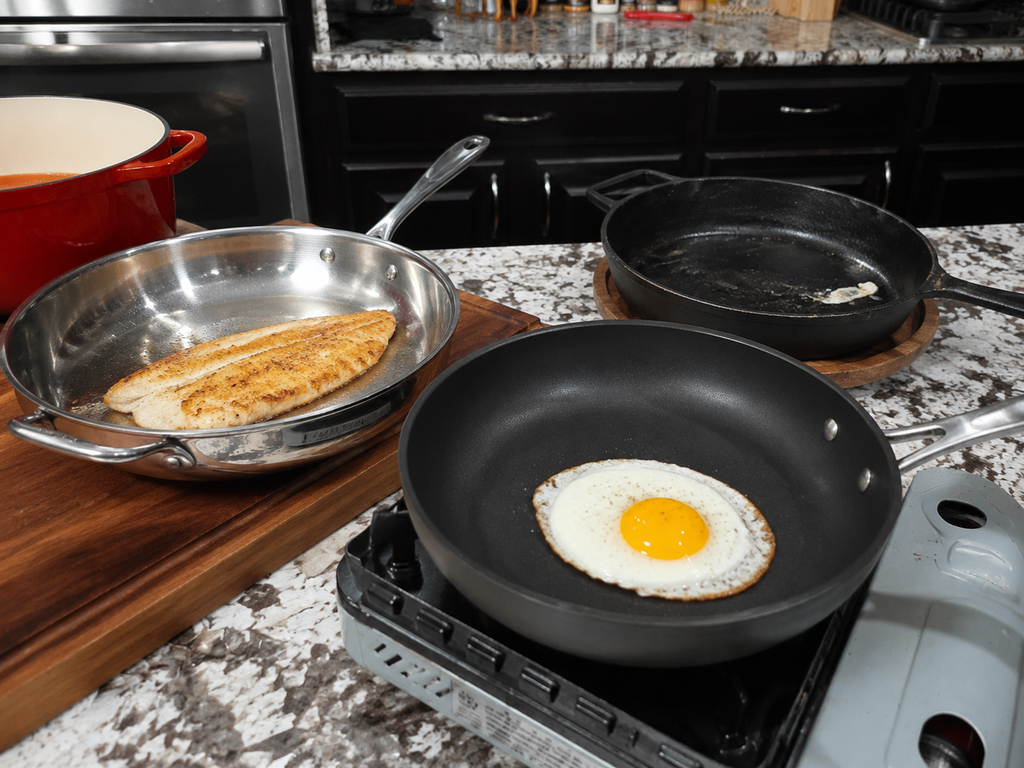
Cast iron can cook hearty fish such as salmon, tuna, swordfish, or thick skin-on fillets. However, thin and delicate fish can be harder to manage.
Cast iron holds a great deal of heat. If the skillet is too hot, a delicate fillet can brown too quickly, stick, or break apart when you try to turn it. Moving the fish before it naturally releases can leave half of it stuck to the pan.
Delicate options include:
- Tilapia
- Flounder
- Sole
- Cod fillets
- Orange roughy
- Thin skinless fish fillets
What to use instead: Use a nonstick skillet for the easiest release. A properly preheated stainless-steel pan can also work, especially when you want to finish the fish with a pan sauce.
If you prefer cast iron, use enough oil, control the heat, and leave the fish alone until a crust forms and the fillet releases naturally.
Eggs in a New or Poorly Seasoned Skillet
You can cook eggs in cast iron, but the condition of the skillet matters.
A smooth, well-seasoned skillet with enough butter or oil can cook excellent eggs. A new, dry, rough, or poorly seasoned skillet will probably leave you scraping eggs from the bottom.
The same warning applies to:
- Scrambled eggs
- Fried eggs
- Omelets
- Pancakes
- Crepes
- French toast with a sugary coating
What to use instead: A nonstick skillet is the easiest choice for eggs and pancakes. Stainless steel can also work once you learn the correct combination of preheating, fat, and temperature control.
If your cast iron has sticky or uneven seasoning, address that before using it for delicate breakfast foods.
Sticky, Sugary Sauces Over High Heat
Cast iron is excellent at retaining heat, but that strength can work against you when cooking sauces containing a lot of sugar.
Barbecue sauce, honey, maple syrup, brown sugar, and sweet glazes can move from caramelized to burnt quickly. Even after you lower the burner, the skillet remains hot and continues cooking the sauce.
Be careful with:
- Honey glazes
- Sweet barbecue sauce
- Teriyaki sauce
- Brown-sugar glazes
- Maple glazes
- Sticky wing sauces
- Fruit preserves used as a glaze
What to use instead: Stainless steel gives you faster temperature control and makes it easier to remove the pan from the heat before the sugar burns. Enameled cookware or a lined sheet pan can also work well.
You can still finish food with a sweet glaze in cast iron. Lower the temperature, add the sauce near the end, and remove the skillet from the heat once the glaze begins to tighten.
Cream and Cheese Sauces That Need Precise Heat Control
Cast iron can be used for baked macaroni and cheese, dips, and creamy skillet meals. However, it is not always the easiest choice for making a smooth cheese or cream sauce on the stovetop.
Because cast iron stays hot for so long, milk, cream, and cheese can scorch or separate if the temperature climbs too high. Lowering the burner does not cool the pan immediately.
What to use instead: Stainless steel or an enameled saucepan gives you more responsive temperature control. This is especially helpful when making Alfredo sauce, cheese sauce, béchamel, or a delicate cream reduction.
If the finished dish needs to go into the oven, you can build the sauce in stainless steel and transfer it to a baking dish.
Long Acidic Braises
Cast iron holds steady heat, which makes it excellent for braising. The exception is a long braise containing a large amount of tomato, wine, vinegar, or citrus.
A short cook is unlikely to cause a major problem in a strongly seasoned skillet. A two- or three-hour acidic braise gives the acid much more time to interact with the surface.
What to use instead: An enameled Dutch oven is the best alternative. It gives you the heat retention of cast iron with a nonreactive enameled surface.
Use enameled cookware for:
- Tomato-braised short ribs
- Wine-braised beef
- Vinegar-based pulled pork
- Tomato-heavy pot roast
- Long-simmered acidic stews
Do Not Store Food in Cast Iron
Even if a dish cooks perfectly in cast iron, do not use the skillet as a storage container.
Food left in the pan can pick up a metallic flavor, weaken the seasoning, or trap moisture against the surface. Acidic foods present an even greater risk when they remain in the skillet overnight.
Transfer leftovers to a food-storage container once they have cooled appropriately. Then clean, dry, and lightly oil the skillet before putting it away.
For the complete after-cooking process, read my guide on how to clean and care for your cast-iron skillet.
What Cast Iron Is Best For
There are plenty of foods that belong in cast iron. Use it when you want strong, steady heat and deep browning.
Cast iron is excellent for:
- Steaks and pork chops
- Burgers
- Bone-in chicken thighs
- Fried chicken
- Cornbread
- Skillet potatoes
- Bacon
- Sausage
- Roasted vegetables
- Biscuits
- Cobbler
- Shallow frying
- Oven-finished skillet meals
The skillet’s heat retention keeps the temperature from dropping as dramatically when cold food is added. That is why cast iron produces such a strong crust on meat and keeps frying oil more consistent.
What Pan Should You Use Instead?
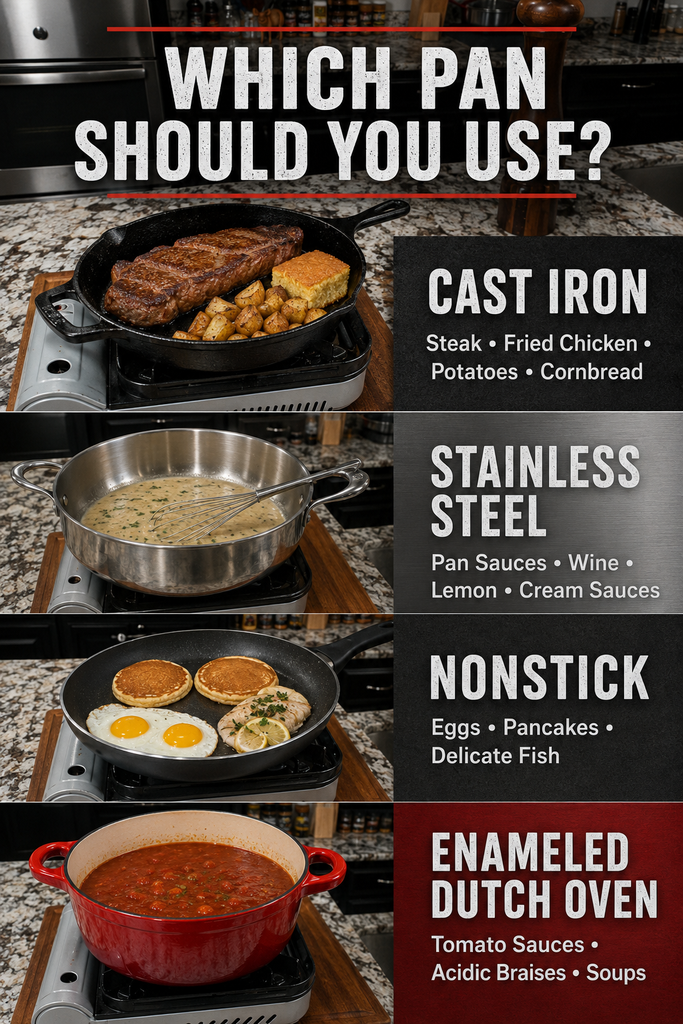
Tomato, Wine, Vinegar or Citrus Dishes
Use stainless steel or enameled cookware. These materials are better suited for acidic ingredients and long cooking times.
Eggs, Pancakes and Delicate Fish
Use nonstick for the easiest release. Properly preheated stainless steel is another option once you are comfortable controlling the heat.
Cream Sauces and Cheese Sauces
Use stainless steel or an enameled saucepan for faster temperature adjustments and easier whisking.
Long Braises
Use an enameled Dutch oven, especially when the braising liquid contains tomato, wine or vinegar.
Sticky Barbecue and Honey Glazes
Use stainless steel, enameled cookware, or a lined baking sheet. If you use cast iron, add the glaze near the end and keep the heat controlled.
Steak, Fried Chicken, Cornbread and Potatoes
Keep the cast iron close. These are the jobs where it earns its place in the kitchen.
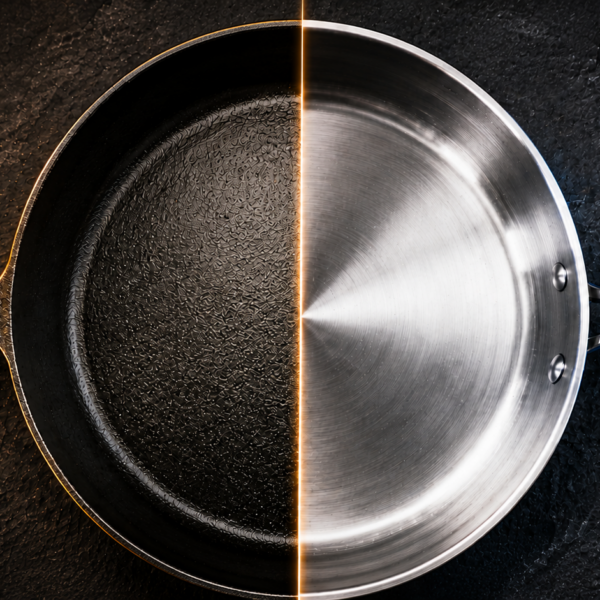
For a more detailed comparison, read Stainless Steel vs Cast Iron Skillets: Which One Should You Use?
Why You’ll Love This Guide
- It explains why certain foods cause problems in cast iron.
- It separates foods you should avoid from foods that simply require better technique.
- It helps protect the seasoning you have already built.
- It shows when stainless steel, nonstick, or enameled cookware is the better choice.
- It helps beginners stop blaming the recipe when the pan is causing the problem.
Pro Tips
- Do not panic over a small amount of acid. A splash of lemon or a few tomatoes will not automatically ruin a well-seasoned skillet.
- Pay attention to cooking time. Acid becomes more problematic when it remains in contact with bare cast iron for an extended period.
- Use enough fat for delicate foods. Eggs and fish are more likely to stick to a dry surface.
- Give food time to release. Meat and fish often stick at first and loosen once a proper crust forms.
- Add sugary sauces near the end. This reduces the chance of burning.
- Remove leftovers promptly. Cast iron is cookware, not food storage.
- Match the pan to the job. You do not have to force every recipe into the same skillet.
Frequently Asked Questions
Can You Cook Tomatoes in Cast Iron?
Yes, you can cook tomatoes briefly in a well-seasoned cast-iron skillet. Long-simmered tomato sauces are better prepared in stainless steel or enameled cookware because the acid can weaken the seasoning and create a metallic flavor.
Can You Use Lemon Juice in Cast Iron?
A small amount added near the end of cooking is generally manageable in well-seasoned cast iron. Avoid long-simmered lemon sauces or reductions, especially in a new or poorly seasoned skillet.
Does Acid Immediately Ruin Cast Iron?
No. Acid does not usually ruin cast iron after one brief use. The risk increases with longer cooking times, stronger acidity, and weak seasoning.
Can You Cook Eggs in Cast Iron?
Yes. Eggs cook well in a smooth, properly seasoned skillet with enough butter or oil. They are more likely to stick in a new, dry, or unevenly seasoned pan.
Can You Cook Fish in Cast Iron?
Yes, especially thicker fish such as salmon or tuna. Thin, delicate fillets require careful heat control and enough oil to prevent sticking and breaking.
Can You Put Barbecue Sauce in Cast Iron?
Yes, but add it near the end of cooking and reduce the heat. The sugar in barbecue sauce can burn quickly because cast iron remains hot even after the burner is lowered.
Why Does Food Taste Metallic After Cooking in Cast Iron?
A metallic taste can develop when acidic food remains in contact with bare or poorly seasoned iron for too long. Transfer the food, clean and dry the skillet, and restore the seasoning if the surface looks dull.
What Should I Do If I Accidentally Cooked an Acidic Dish in Cast Iron?
Remove the food and inspect the skillet after cleaning. If the surface still looks dark and smooth, dry it thoroughly and apply a very thin coat of oil. If it looks dull, patchy, or rusty, it may need to be seasoned again.
Is Stainless Steel Better Than Cast Iron?
Neither pan is better for every job. Stainless steel gives you quicker temperature control and handles acidic sauces well. Cast iron provides stronger heat retention for searing, frying and baking. The best choice depends on what you are cooking.
Save This Guide
Save this guide for the next time you are deciding between cast iron, stainless steel, nonstick, or enameled cookware.
Cast iron is built for serious cooking, but knowing when to use another pan will protect your seasoning and give you better results. Choose the pan based on the food, control the heat, and let each piece of cookware do the job it handles best.