This post may contain affiliate links. Please read our disclosure policy.
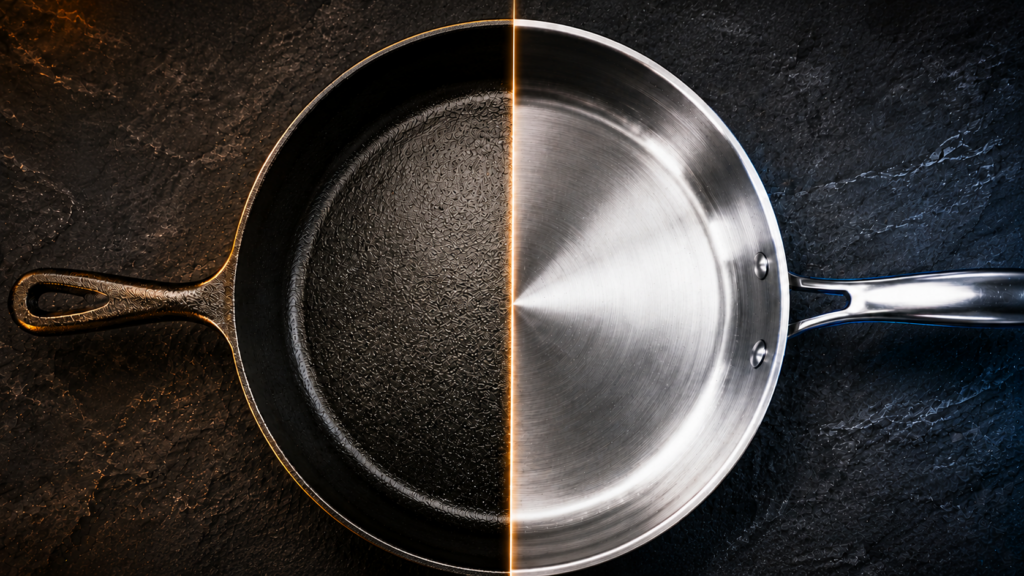
Table of Contents
- 🍽️ A Quick Look at the Guide
- Key Differences
- Why You’ll Love This Guide
- How to Choose Between Stainless Steel and Cast Iron
- What Stainless Steel Is Best For
- Why Stainless Steel Is Great for Pan Sauces
- Why Food Sticks to Stainless Steel
- What Cast Iron Is Best For
- Why Cast Iron Is a Searing Machine
- Why This Is Not About One Pan Being Better
- Best Foods for Each Skillet
- Stainless Steel vs Cast Iron for Steak
- Stainless Steel vs Cast Iron for Chicken
- Stainless Steel vs Cast Iron for Fish
- Variations and Substitutions
- What to Cook First
- Pro Tips
- Frequently Asked Questions
- Storage and Care
- Save This Guide
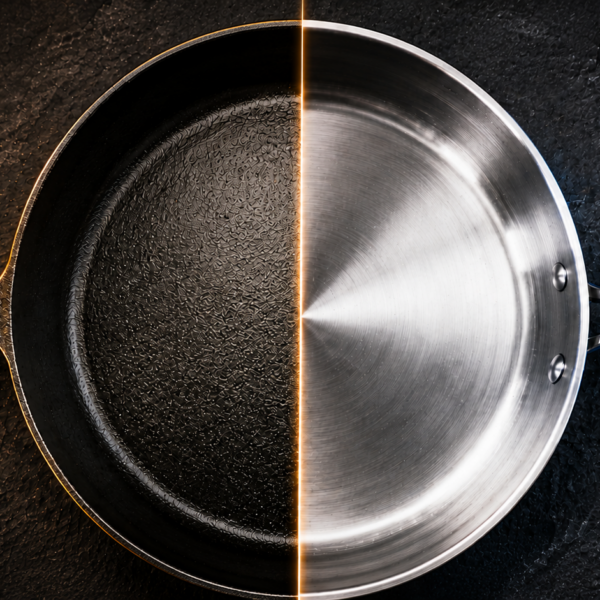
Stainless steel and cast iron skillets can both put serious flavor on the table, but they are not the same tool. One gives you fast control and beautiful pan sauces. The other holds heat like a champ and gives you deep browning for steak, fried chicken, cornbread, and skillet potatoes.
The mistake a lot of home cooks make is trying to crown one pan as the winner for every job. That is not how I look at it. If you know what each skillet does best, you stop fighting your cookware and start choosing the right pan for the meal in front of you.
🍽️ A Quick Look at the Guide
Guide Name: Stainless Steel vs Cast Iron Skillets
⏱️ Read Time: About 8 minutes
👨👩👧👦 Best For: Home cooks choosing the right skillet
🥣 Main Topics: Heat control, searing, pan sauces, frying, cornbread, and maintenance
📖 Skill Level: Beginner-friendly with practical cooking tips
🔥 Bottom Line: Stainless steel gives you control and sauces; cast iron gives you heat retention and deep browning.
⭐ Best Use: Keep both if you cook often, then choose the skillet by the food.
Key Differences
Stainless Steel: Stainless steel is best when you want control. It heats and cools faster than cast iron, handles acidic ingredients better, and is one of the best pans for building fond, deglazing, and making pan sauces or gravies.
Cast Iron: Cast iron is best when you want heat retention. Once it gets hot, it stays hot, which makes it strong for searing, frying, cornbread, potatoes, burgers, and foods that need steady heat.
Everyday Cooking: For most weeknight meals, stainless steel is usually easier to manage. For heavy browning, oven-to-stovetop cooking, and old-school skillet flavor, cast iron earns its spot.
Maintenance: Stainless steel is easier to clean and does not need seasoning. Cast iron needs to be dried well and lightly oiled so it does not rust, but it can last for generations when cared for properly.
Why You’ll Love This Guide
- It gives you a simple way to choose the right skillet without overthinking it.
- It explains why stainless steel is better for sauces, gravies, and acidic foods.
- It explains why cast iron is better for hard searing, frying, cornbread, and potatoes.
- It helps beginners avoid sticking, burning, overcrowding, and using the wrong heat.
- It shows why a serious home kitchen can benefit from owning both skillets.
How to Choose Between Stainless Steel and Cast Iron
Start with the cooking job, not the pan. If the meal needs quick heat changes, acidic ingredients, or a sauce made from the browned bits on the bottom, stainless steel is usually the better move.
If the meal needs heavy, steady heat, deep browning, frying, or oven baking, cast iron usually has the advantage. That heavy skillet holds heat and keeps working even when cold food hits the pan.
Think of stainless steel as your control pan and cast iron as your heat-retention pan. Once you see it that way, the choice gets easy.
What Stainless Steel Is Best For
A good stainless steel skillet is one of the most versatile pieces of cookware you can own. It does not have a delicate coating like nonstick, and it responds faster when you raise or lower the burner temperature.
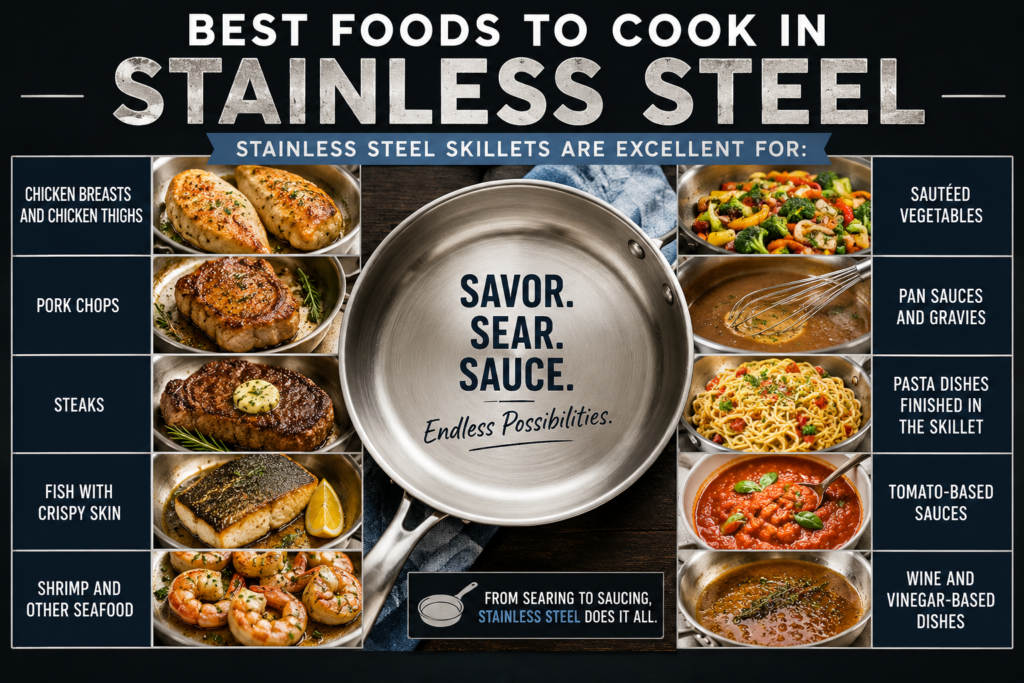
Stainless steel is excellent for chicken breasts, pork chops, shrimp, fish, sautéed vegetables, pasta dishes finished in the skillet, tomato-based sauces, wine sauces, vinegar-based sauces, pan gravies, and cream sauces.
This is why stainless steel works so well for dishes like Southern Smothered Chicken, Soulful Smothered Pork Chops, and Classic Salisbury Steak with Mushroom Onion Gravy. You get browning first, then you turn the browned bits into gravy or sauce.
Why Stainless Steel Is Great for Pan Sauces
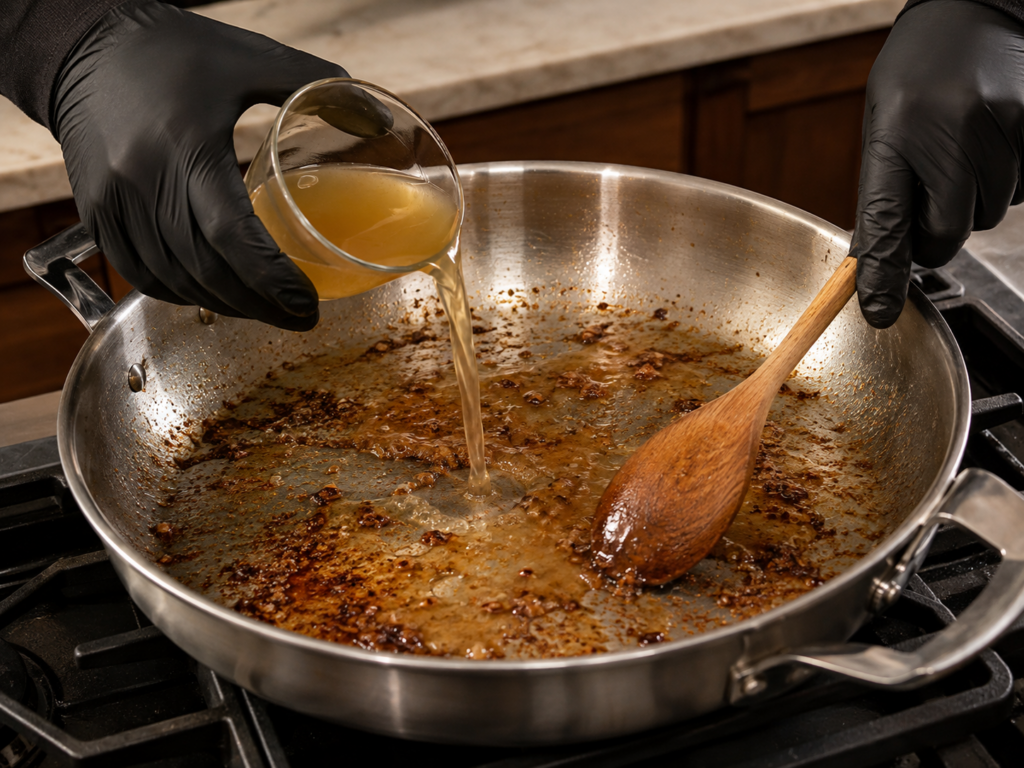
One of the biggest advantages of stainless steel is the fond that develops on the bottom of the pan. Fond is that browned layer of flavor left behind after meat or vegetables cook against the hot skillet.
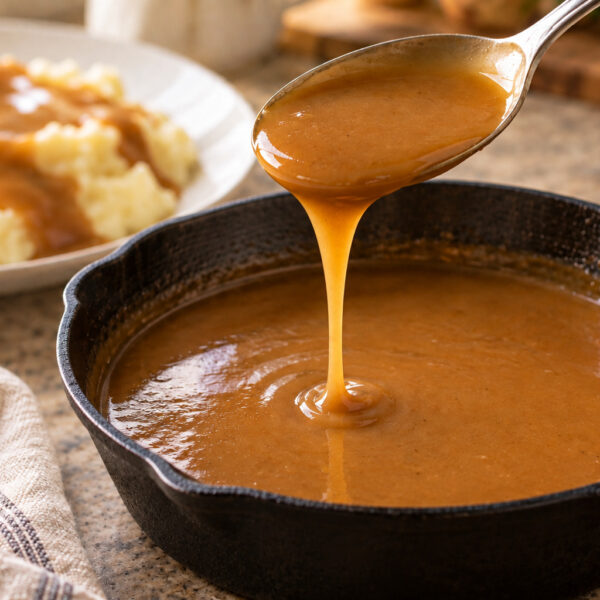
Add broth, wine, cream, water, or another liquid to the pan, scrape the bottom, and those browned bits become the start of a sauce or gravy. That is where stainless steel really shines.
Cast iron can build fond too, but stainless steel lets you see the color more clearly and gives you better control when reducing sauces or working with acidic ingredients.
Why Food Sticks to Stainless Steel
This is the biggest complaint people have with stainless steel. Chicken sticks. Steak sticks. Fish falls apart. Most of the time, the skillet is not the problem. It comes down to heat, oil, moisture, and timing.
Pat the food dry, preheat the skillet, add oil after the pan is hot, lay the food down, and let the crust form before you try to move it. When meat first touches stainless steel, it may grip the pan. Once it browns, it usually releases.
If you want the full breakdown on that technique, read How to Cook with Stainless Steel Pans Without Food Sticking after this guide.
What Cast Iron Is Best For
Cast iron is all about heat retention. It takes longer to heat up, but once it gets hot, it stays hot. That makes it a strong choice for foods that need a steady, aggressive cooking surface.
Cast iron is great for steak, burgers, pork chops, fried chicken, cornbread, biscuits, bacon, potatoes, hash, skillet desserts, pan pizza, roasted chicken, and vegetables that benefit from heavy browning.
Cast iron is right at home with recipes like Hot Water Cornbread vs Skillet Cornbread, The Ultimate Fried Chicken, and crispy skillet-style sides like Dirty Smothered Potatoes.
Why Cast Iron Is a Searing Machine
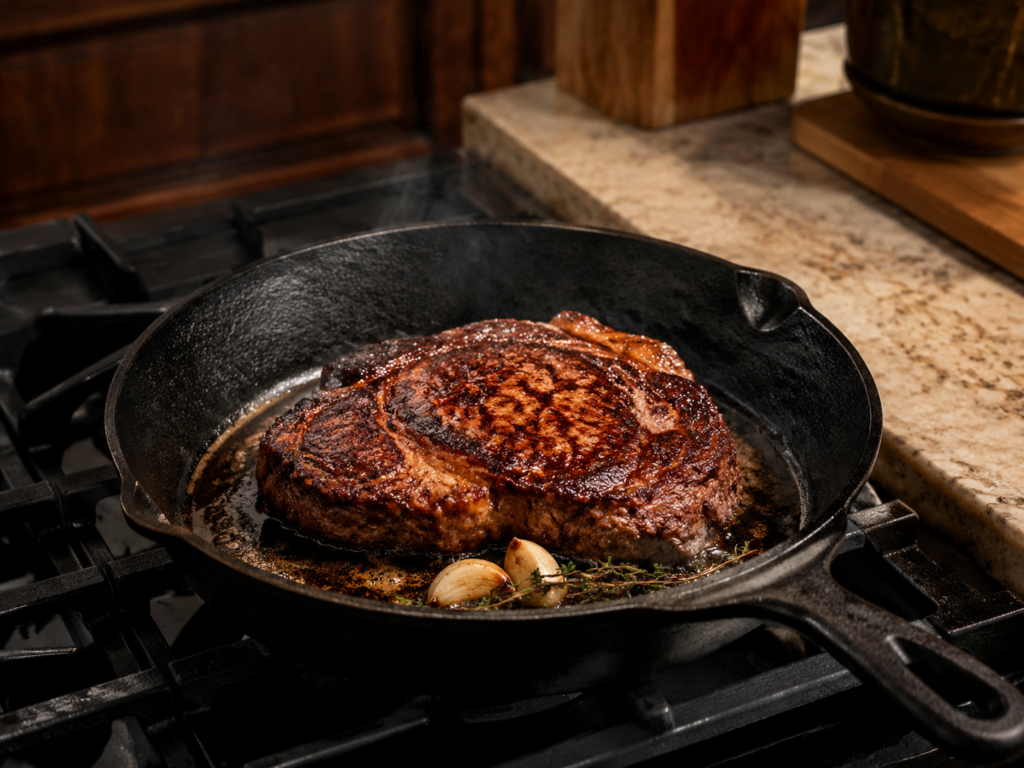
When cold food hits a lighter pan, the temperature can drop fast. Cast iron holds onto heat better, so when a steak, burger, pork chop, or potato hits the surface, the pan keeps browning aggressively.
That steady heat is what helps create the dark crust people want when they cook steak at home. The same idea works for smash burgers, chicken thighs, skillet potatoes, and fried foods.
Why This Is Not About One Pan Being Better
This is not stainless steel against cast iron like one of them needs to lose. They solve different problems.
Stainless steel wins when you need control, sauces, gravies, acidic ingredients, and everyday versatility. Cast iron wins when you need heavy heat, deep browning, frying, baking, and that old-school skillet crust.
The better question is not “Which skillet is better?” The better question is “What am I cooking today?”
Best Foods for Each Skillet
Stainless Steel: Chicken with pan sauce, shrimp, fish, pork chops with gravy, pasta sauces, tomato-based dishes, wine reductions, cream sauces, sautéed vegetables, and everyday stovetop meals.
Cast Iron: Steak, smash-style burgers, fried chicken, cornbread, biscuits, potatoes, bacon, skillet pizza, roasted chicken, and skillet desserts.
Both Skillets: Steak, chicken, pork chops, burgers, sausage, onions, peppers, mushrooms, and potatoes can work in either pan. The difference is the result you are chasing.
Stainless Steel vs Cast Iron for Steak
Both skillets can cook an excellent steak. If your main goal is a heavy crust, cast iron has the advantage because it holds heat so well.
If you want to cook the steak and then build a pan sauce with butter, garlic, broth, wine, or cream, stainless steel may be the better choice. Either way, temperature matters more than guessing.
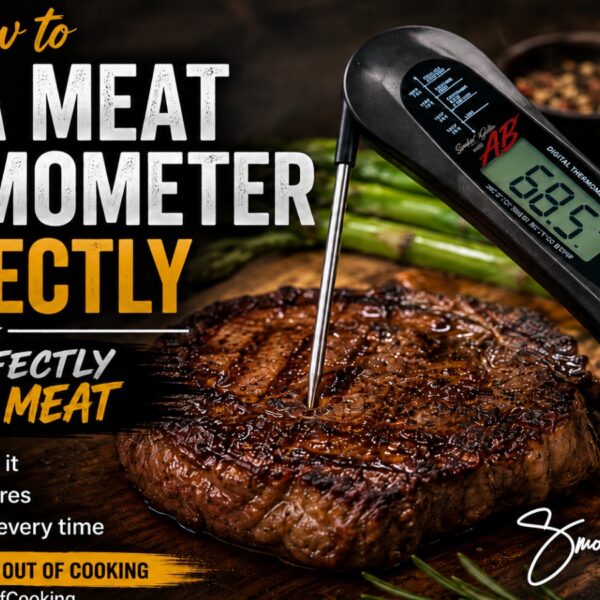
If you need help with doneness, check out my guide on How to Use a Meat Thermometer.
Stainless Steel vs Cast Iron for Chicken
Cast iron is excellent for bone-in chicken thighs, especially when you want crispy skin and plan to finish the chicken in the oven.
Stainless steel works beautifully for chicken breasts, cutlets, and boneless thighs, especially when you are making lemon chicken, garlic chicken, mushroom chicken, or any chicken dish with gravy or a pan sauce.
Stainless Steel vs Cast Iron for Fish
For many fish recipes, stainless steel gives you better temperature control and works well when you want to build a sauce.
Cast iron can work for heartier fish, but delicate fillets can be harder to manage if the pan is too hot or the fish is moved too early. Preheat properly, use oil, place the fish down, and give it time to release.
Variations and Substitutions
No Cast Iron: Use stainless steel for most stovetop cooking, then use a Dutch oven, sheet pan, or oven-safe skillet for recipes that need oven heat.
No Stainless Steel: Use cast iron for searing and browning, but be careful with long-simmered tomato, vinegar, wine, or citrus-heavy dishes. A Dutch oven or enamel-coated pan can help there.
Enamel Cast Iron: Enamel cast iron gives you some cast iron heat retention without the same seasoning concerns. It is useful for braises, stews, and acidic sauces, but it is not always the same as bare cast iron for high-heat searing.
Nonstick Option: Nonstick still has a place for eggs, pancakes, and delicate foods. It is not the best choice for hard searing or building pan sauces.
What to Cook First
If you are new to stainless steel, start with chicken cutlets, pork chops, sausage and peppers, shrimp, onions, mushrooms, or steak. These foods teach heat control without falling apart too easily.
If you are new to cast iron, start with bacon, burgers, skillet potatoes, cornbread, steak, or chicken thighs. These foods reward the heat retention cast iron is known for.
Do not start with the hardest foods first. Eggs in stainless steel and delicate fish in cast iron can be done, but they are not the best first lesson.
Pro Tips
Do Not Cook Everything on Maximum Heat: High heat is not automatically better. Medium or medium-high is enough for most stovetop cooking. Control the heat instead of fighting the pan.
Dry the Food First: Moisture blocks browning. Pat chicken, steak, pork chops, shrimp, and fish dry before they hit the skillet.
Do Not Overcrowd the Pan: Crowding traps moisture. Instead of searing, the food steams. Give the food room and cook in batches when needed.
Let the Crust Form: You cannot build a crust if you keep lifting and moving the food every ten seconds. Put it down and let it cook.
Dry Cast Iron After Washing: Water is what causes rust. Wash it, dry it well, and wipe on a very thin layer of oil if needed before storing.
Frequently Asked Questions
Is stainless steel better than cast iron?
Not across the board. Stainless steel is better for temperature control, pan sauces, gravies, and acidic foods. Cast iron is better for heat retention, frying, cornbread, and heavy browning.
Is cast iron better for steak?
Cast iron has the advantage when you want a heavy crust because it holds heat so well. Stainless steel can still cook a great steak, especially if you want to make a pan sauce afterward.
Can you cook acidic foods in cast iron?
Small amounts of acidic ingredients are usually fine in well-seasoned cast iron, but long-simmered tomato, vinegar, wine, or citrus-heavy dishes are usually better in stainless steel or enamel-coated cookware.
Which skillet is easier to clean?
Stainless steel is easier for most people because you can wash it, soak it, and scrub it without worrying about seasoning. Cast iron needs to be dried thoroughly and lightly oiled to prevent rust.
Which skillet should beginners buy first?
For most beginners, stainless steel is the better first buy because it is versatile, easy to maintain, and works with acidic foods. Cast iron is a great second skillet.
Can stainless steel go in the oven?
Most stainless steel skillets can go in the oven if the handle and lid are oven-safe. Always check the manufacturer instructions for temperature limits.
Can cast iron go in the oven?
Yes. Cast iron is excellent in the oven and works well for cornbread, roasted chicken, biscuits, skillet desserts, and dishes that start on the stovetop and finish in the oven.
Do I need both stainless steel and cast iron?
You do not need both, but having both gives you more flexibility. Stainless steel gives you control and sauces. Cast iron gives you heat retention and deep browning.
Storage and Care
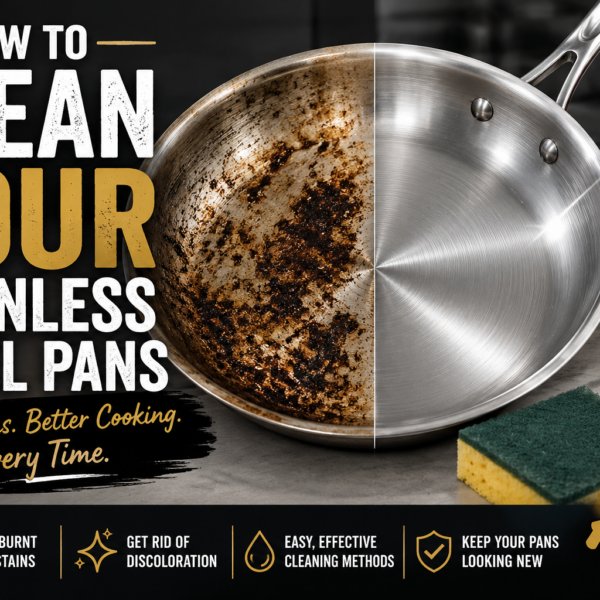
Stainless Steel: Wash with warm soapy water. For stuck-on food, simmer water in the pan to loosen the bits. For stains or discoloration, use baking soda or a stainless steel-safe cleaner.
Cast Iron: Wash, dry completely, and wipe with a thin layer of oil if needed. Do not leave cast iron soaking in water, and do not store it wet.
Both skillets can last for years when you respect what they need. Stainless steel needs cleaning. Cast iron needs drying and seasoning care.
Save This Guide
Save this Stainless Steel vs Cast Iron guide for the next time you are choosing a skillet for steak, chicken, fish, cornbread, fried chicken, pan sauces, or everyday cooking.
Once you understand what each skillet does best, choosing the right pan becomes simple. Stainless steel gives you control. Cast iron gives you heat. Both can help you take the mystery out of cooking.
#MysteryOutOfCooking